Pipe Stress Analysis

The Pipe Guide: Steering the Energy

The Pipe Guide: Steering the Energy

The Pipe Guide: Steering the Energy

This entry is part 5 of 5 in the series Pipe Supports

Pipe Supports

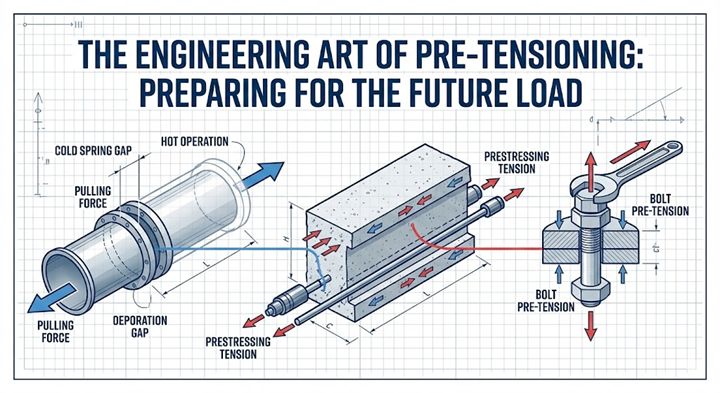
The Engineering Art of Pre-Tensioning: Preparing for the Future Load

The Engineering Art of Pre-Tensioning: Preparing for the Future Load

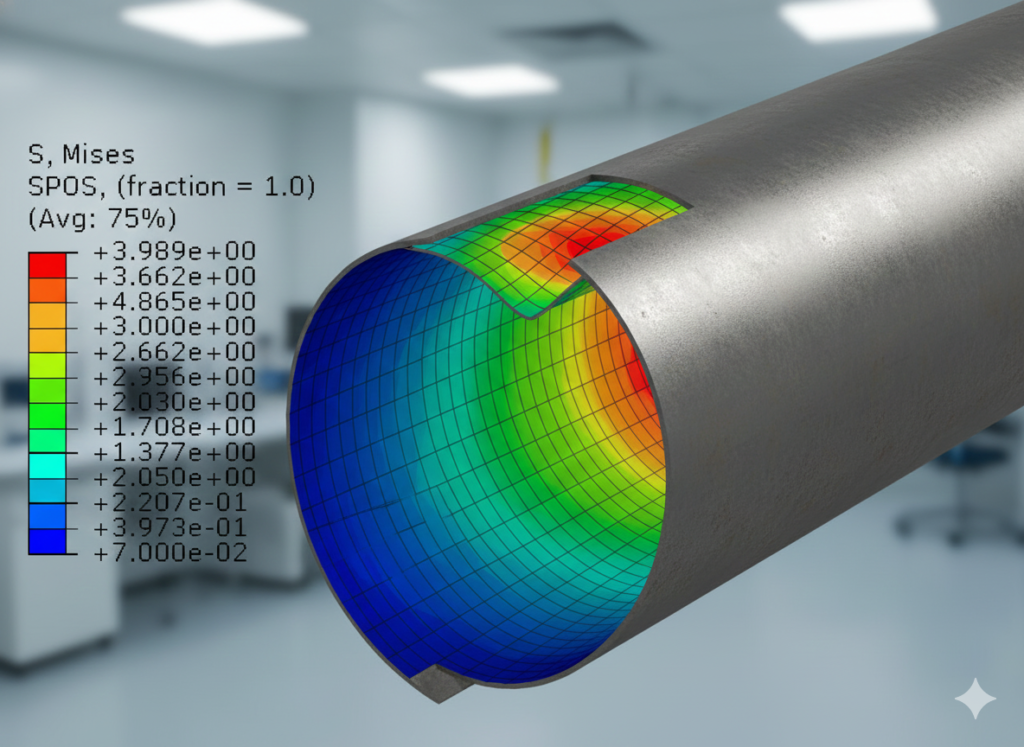
Pipe-Shell-at-Moment-Support

Pipe Shell at Moment Support

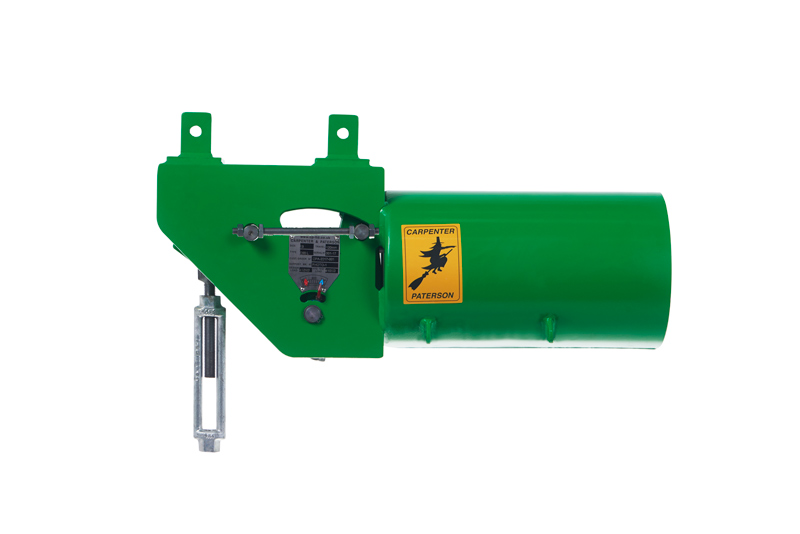
The Constant Spring Hanger: Engineering Magic

The Constant Spring Hanger: Engineering Magic

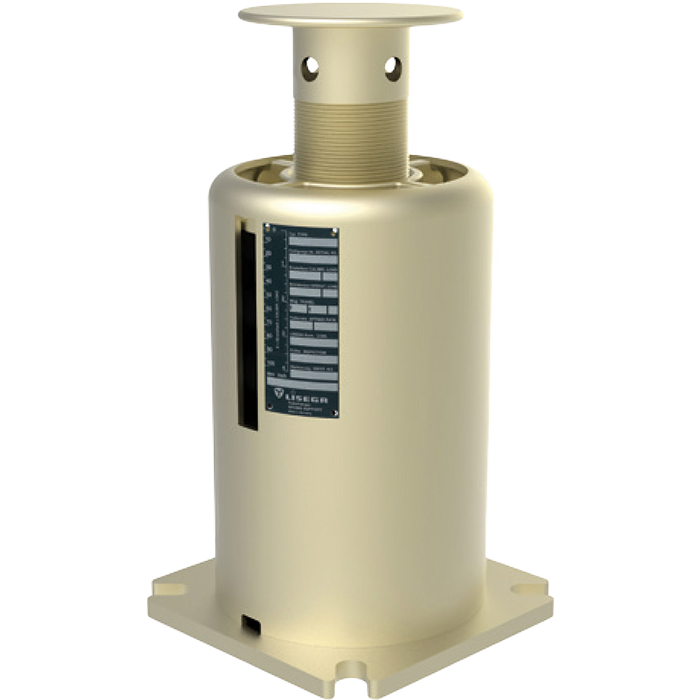
The Variable Spring Base Support

The Variable Spring Base Support (Spring Can)

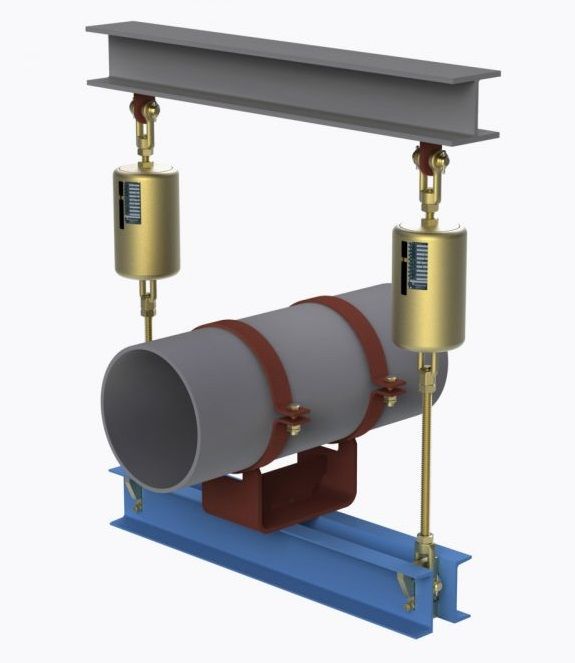
The Variable Spring Hanger: The Standard Solution

The Variable Spring Hanger: The Standard Solution

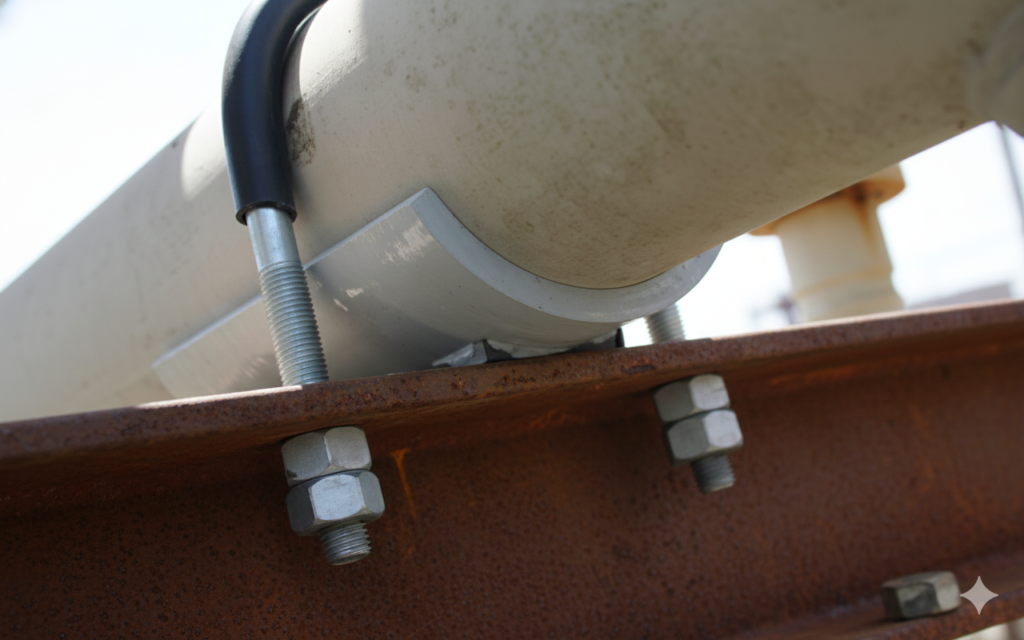
The U-Bolt: Deceptively Simple

The U-Bolt: Deceptively Simple

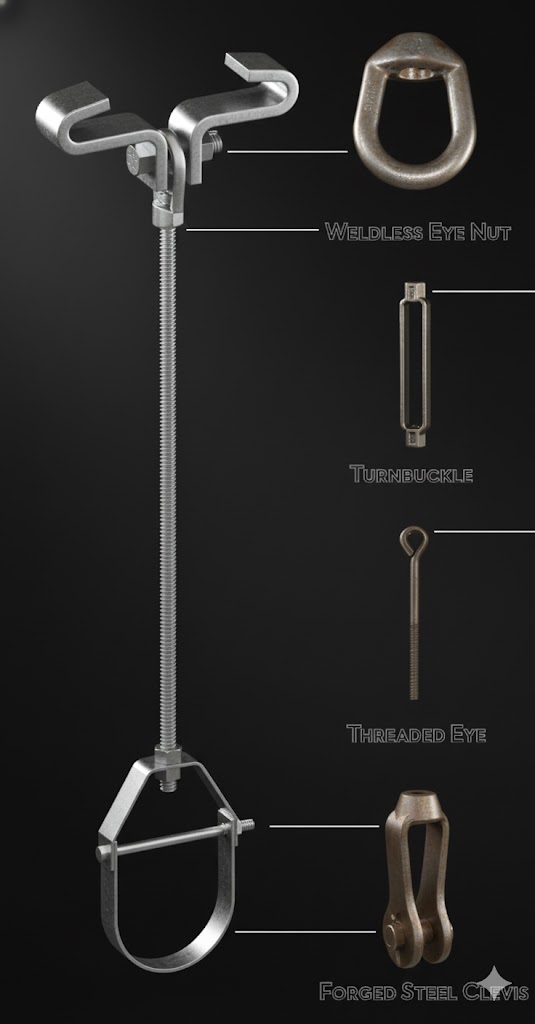
Post 5: The Clevis Hanger: The Workhorse of Suspension

Post 5: The Clevis Hanger: The Workhorse of Suspension

The Pipe Saddle (Wear Pad): The Sacrificial Shield

The Pipe Saddle (Wear Pad): The Sacrificial Shield

The Ultimate Guide to Pipe Supports: Beyond Gravity

The Ultimate Guide to Pipe Supports: Beyond Gravity

The Limit Stop: The Safety Bumper

The Limit Stop: The Safety Bumper

The Pipe Anchor: The Immovable Object

The Pipe Anchor: The Immovable Object

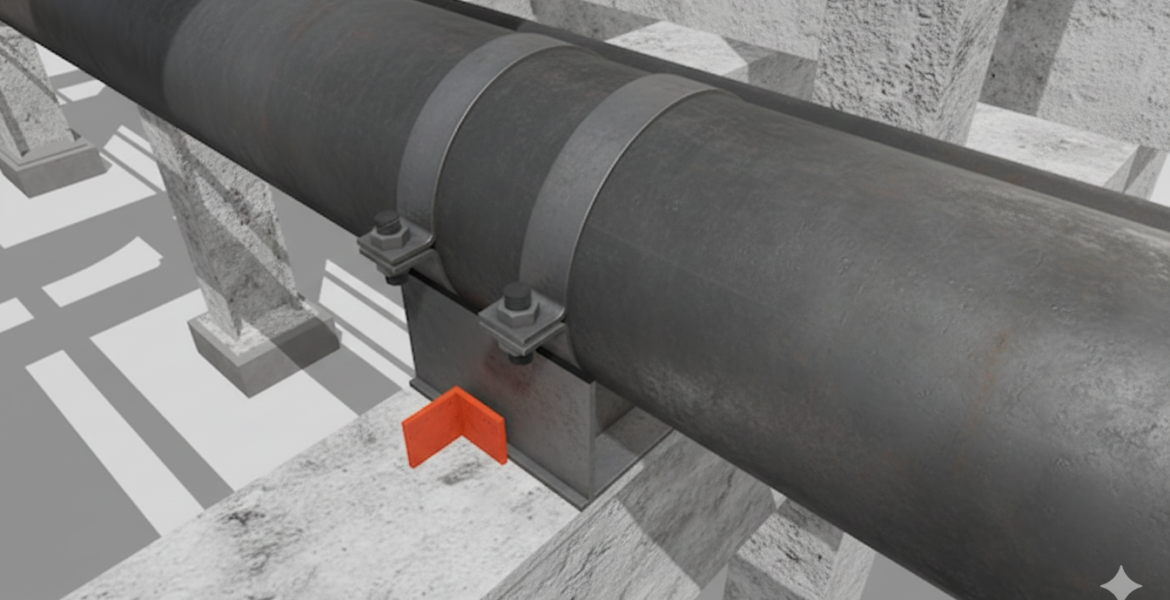
The Pipe Guide: Steering the Energy

The Pipe Guide: Steering the Energy

1.          Definition & Function Deep Dive

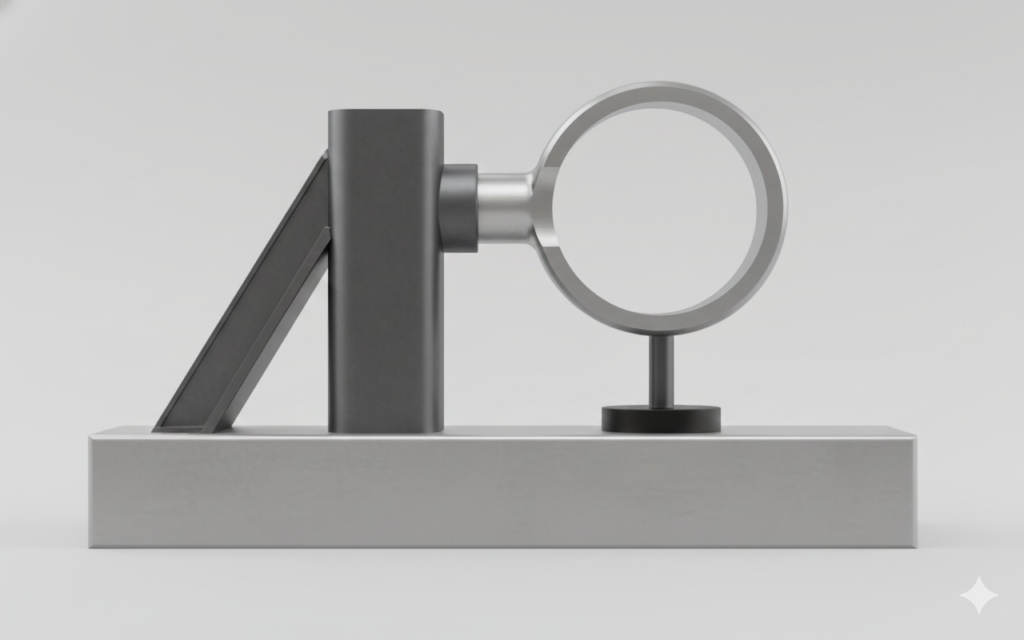
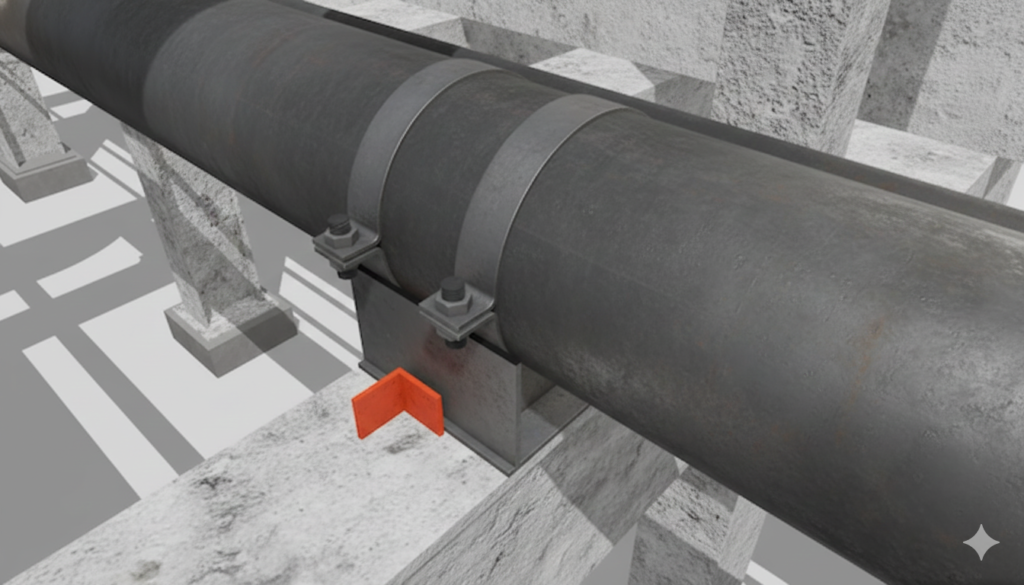
When a long pipe heats up, it wants to grow. Like trying to push a rope, if you compress a long pipe without confining it, it will buckle or bow sideways instead of moving straight into an expansion loop. A guide forces the axial thermal expansion to go exactly where the designer intended.

2.          The Importance of Spacing (The “L/r” Ratio)

Piping engineers calculate guide spacing based on the Euler column buckling formula. Hotter, smaller diameter pipes need guides spaced much closer together than cooler, larger, stiffer pipes to prevent buckling.

3.          Troubleshooting: When Guides Bind

The most common failure of a guide is “binding.”

  • The Cause: If the pipe twists slightly during installation, or if the guide is installed too tightly without proper clearance gaps, friction takes over. When the pipe heats up, it wedges itself in the guide instead of sliding through it.
  • The Result: The guide inadvertently becomes an anchor. The thermal forces build up until something breaks—usually the guide structure itself welds rip apart, or the pipe bows severely between guides.
  • The Fix: For heavy or large pipes, use PTFE (Teflon) slide plates lining the guide box to ensure low friction.
Pipe Supports

The Pipe Anchor: The Immovable Object

Comment (1)

  1. Sherif Mokhtar

    Very valuable article, thanks for sharing

Leave your thought here

Your email address will not be published. Required fields are marked *

Select your currency
Select the fields to be shown. Others will be hidden. Drag and drop to rearrange the order.
  • Image
  • SKU
  • Rating
  • Price
  • Stock
  • Availability
  • Add to cart
  • Description
  • Content
  • Weight
  • Dimensions
  • Additional information
Click outside to hide the comparison bar
Compare