Value Engineering Phase 1: Information Phase
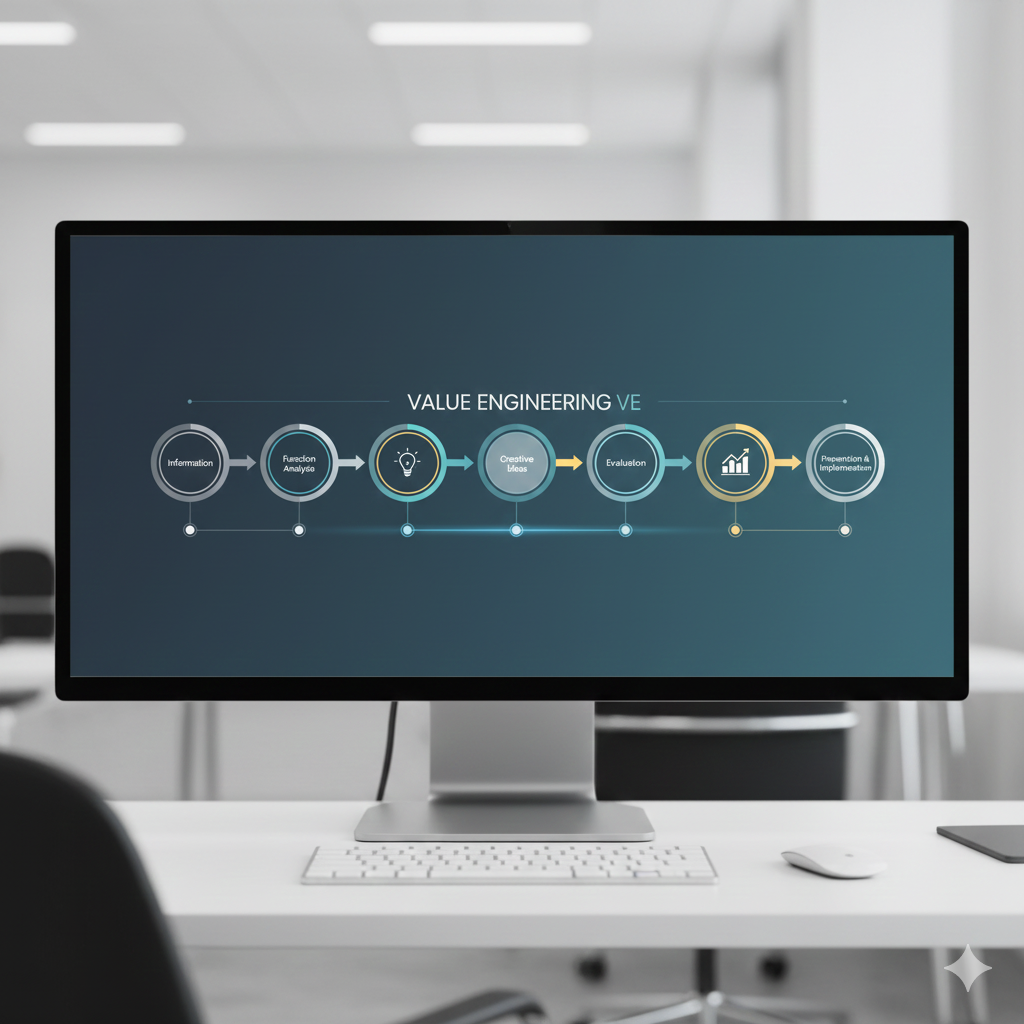
Value Engineering



Introduction
Value Engineering (VE) is a systematic methodology that seeks to optimize the balance between function, quality, and cost. It is not simply about reducing expenses; rather, it is about ensuring that every dollar spent contributes to the essential functions of a project. The Information Phase is the first and arguably most critical step in the VE process. It lays the foundation for all subsequent phases by gathering, validating, and organizing the data that will drive creative solutions and informed decision‑making.
In this post, we will explore the Information Phase in depth: its purpose, inputs, process steps, tools, deliverables, pitfalls, and practical examples. By the end, you will understand how to conduct this phase effectively and why it is indispensable for successful Value Engineering.
Purpose of the Information Phase
The Information Phase exists to establish a shared understanding of the project among all stakeholders. Without clarity, later phases risk being built on assumptions, leading to wasted effort or misguided solutions. The goals of this phase are:
- To collect all relevant project data (technical, financial, and contextual).
- To identify cost drivers and performance requirements.
- To clarify constraints and acceptance criteria.
- To align stakeholders on objectives and scope.
In short, this phase answers the question: “What do we know, and what do we need to achieve?”
Inputs and Required Data
The Information Phase is data‑driven. The quality of inputs directly determines the quality of outputs. Typical inputs include:
Technical Data
- Engineering drawings and specifications.
- Performance requirements (capacity, efficiency, durability).
- Applicable codes and standards (e.g., ASME, API).
- Safety and environmental requirements.
Commercial Data
- Cost estimates and budgets.
- Vendor quotations.
- Lifecycle cost assumptions (maintenance, energy, disposal).
- Contractual obligations.
Project Context
- Objectives and success criteria.
- Schedule and milestones.
- Constraints (legal, regulatory, site conditions).
- Risk registers.
Stakeholder Map
- Roles and responsibilities.
- Decision‑makers and influencers.
- End‑users and operators.
- External regulators or auditors.
Process Steps (Checklist)
Conducting the Information Phase requires discipline and structure. A checklist approach ensures completeness:
- Collect Source Documents
Gather all available drawings, specifications, contracts, and cost data. - Validate Data
Confirm accuracy and currency of information. Outdated drawings or estimates can derail VE efforts. - Identify Cost Drivers
Use Pareto analysis to highlight the 20% of items that account for 80% of costs. - Clarify Performance Requirements
Distinguish between “must‑have” and “nice‑to‑have” functions. - Map Preliminary Functions
Begin noting basic and secondary functions to prepare for the Function Analysis Phase. - Record Assumptions and Constraints
Document what is known, what is assumed, and what is restricted. - Engage Stakeholders
Conduct interviews or workshops to capture tacit knowledge and expectations.
Tools and Templates
Several tools can support the Information Phase:
- Data Validation Checklist: Ensures completeness and accuracy of inputs.
- Cost Driver Matrix: Links costs to functions and performance requirements.
- Assumption Log: Records assumptions, risks, and decisions for transparency.
- FAST Prework Sheet: Notes potential functions for later analysis.
- Stakeholder Map: Visualizes roles, influence, and communication pathways.
These tools not only organize information but also create artifacts that can be referenced throughout the VE study.
Deliverables and Acceptance Criteria
At the end of the Information Phase, the VE team should produce:
- Information Dossier: A consolidated, indexed document containing all validated data.
- Stakeholder Map: With roles and responsibilities clearly defined.
- Preliminary Function List: Basic and secondary functions identified.
- Cost Driver Analysis: Highlighting major contributors to project cost.
- Constraint Register: Documenting legal, technical, and operational limits.
Acceptance criteria include:
- Completeness ≥95% (no critical data gaps).
- Stakeholder sign‑off recorded.
- Clear traceability of assumptions and sources.
Common Pitfalls
The Information Phase can fail if not managed carefully. Common pitfalls include:
- Confusing Symptoms with Functions
Teams may focus on problems (e.g., “high energy use”) rather than underlying functions (“provide heating”). - Unvalidated Vendor Data
Accepting quotations or specifications without verification can lead to false assumptions. - Missing Constraint Documentation
Overlooking regulatory or site constraints can invalidate later solutions. - Stakeholder Misalignment
Failing to engage all relevant parties can result in conflicting objectives. - Overloading with Irrelevant Data
Collecting excessive detail without filtering for relevance can obscure key insights.
Example (Mini Case)
Consider a petrochemical project where the VE team was tasked with reducing capital expenditure. During the Information Phase, they discovered that a major cost driver was oversized heat exchangers specified to meet extreme conditions that rarely occurred. By clarifying performance requirements and constraints, the team identified that smaller, modular exchangers could meet 95% of operating scenarios at lower cost. This insight, uncovered in the Information Phase, ultimately saved the project $500,000 and reduced installation complexity.
Transition to the Next Phase
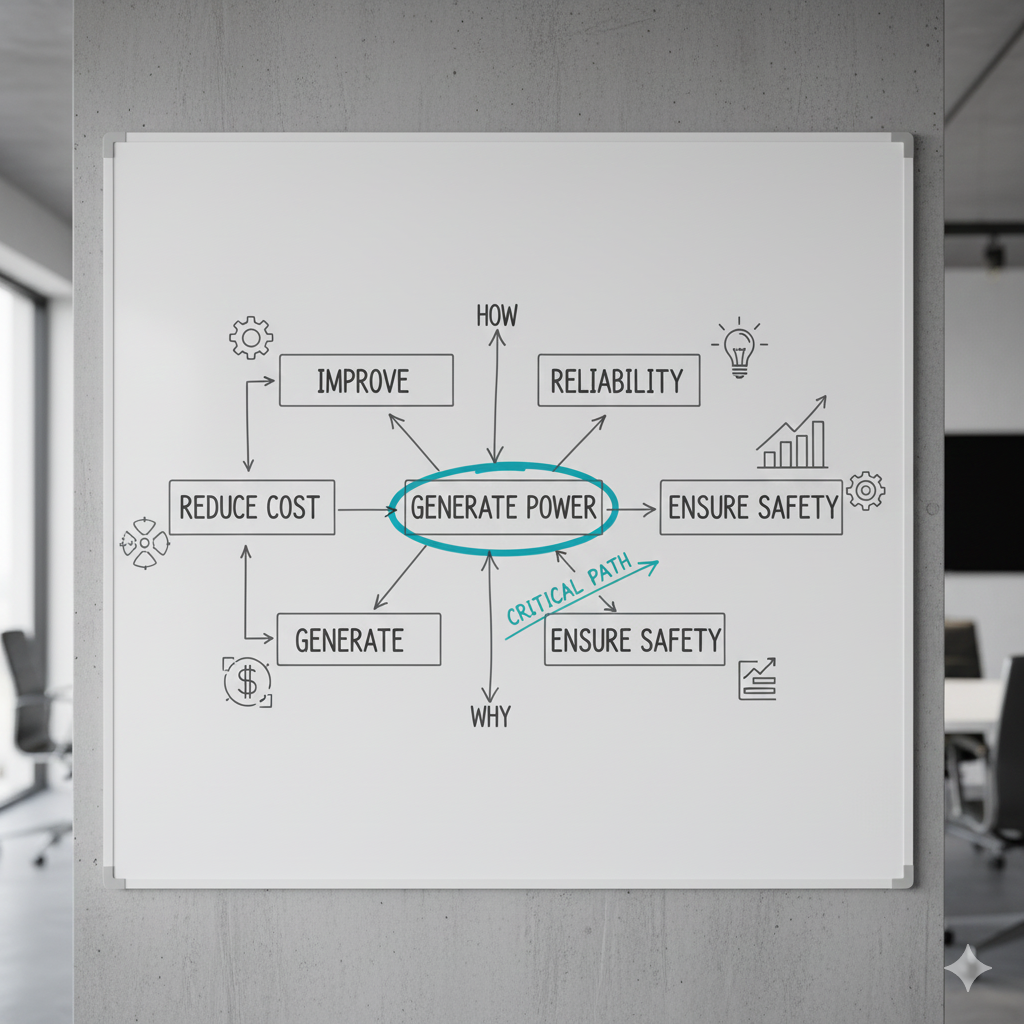
The Information Phase sets the stage for the Function Analysis Phase, where the project is broken down into functions using tools like FAST diagrams. Without the clarity provided by the Information Phase, function analysis would be speculative and unreliable.
CTA: Download the Information Phase checklist to streamline your VE workshops and prepare for Function Analysis.
![[AI agent assisting an engineering team with a digital FAST map and value engineering brainstorming in 2026]](https://learning.malyomar.com/wp-content/uploads/2026/01/value-engineering-ai-save-international-240x142.png)