What is Life Cycle Cost?
Defining Life Cycle Cost (LCC)
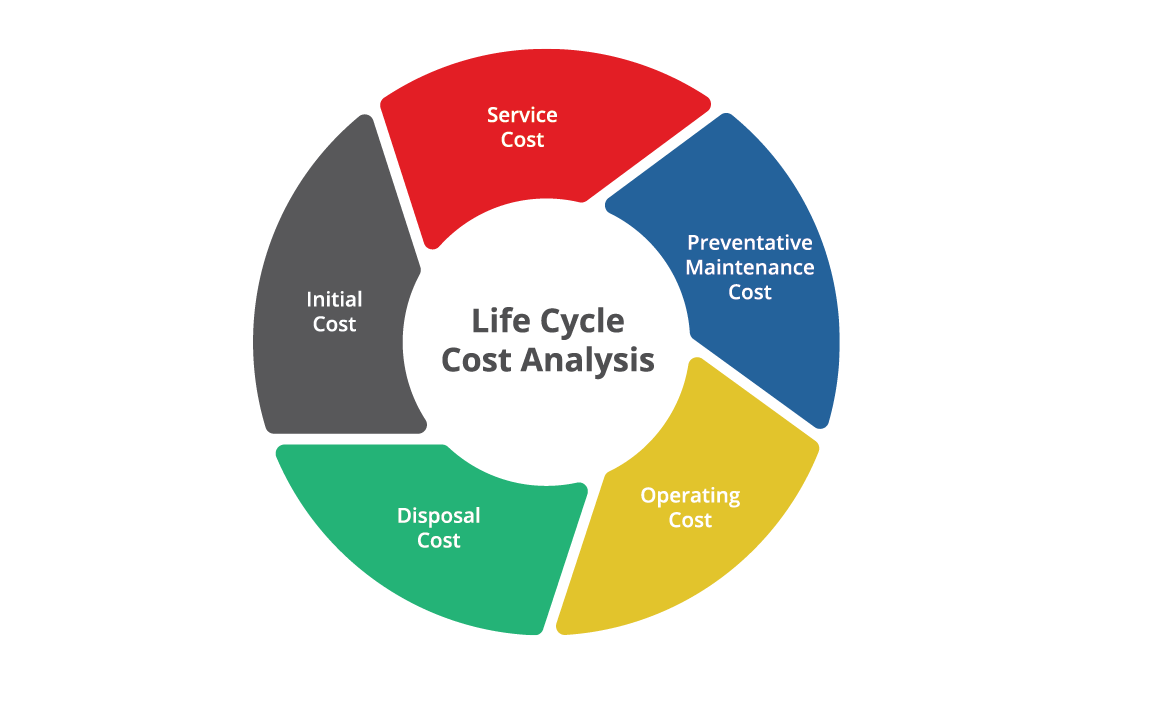
The life cycle cost (LCC) of any equipment represents the total “lifetime” cost of ownership. Specifically, this includes the expenses required to purchase, install, operate, maintain, and dispose of that asset. To determine the LCC, analysts follow a rigorous methodology to identify and quantify every component of the equation.
Using LCC as a Strategic Tool
When engineers use LCC as a comparison tool, it helps them evaluate design or overhaul alternatives effectively. Consequently, the process highlights the most cost-effective solution within the limits of the available data. By looking beyond the initial price tag, decision-makers can avoid long-term financial burdens.
Core Components of the Analysis
A standard life cycle cost analysis typically incorporates several different financial factors. For instance, the analysis must account for the following:
-
Initial Acquisition: Purchase price and procurement costs.
-
Setup: Installation and commissioning expenses.
-
Operational Outlay: Energy and general operation costs.
-
Upkeep: Ongoing maintenance and repair requirements.
-
Downtime: The financial impact of equipment failure or inactivity.
-
External Factors: Environmental costs and regulatory compliance.
-
End-of-Life: Decommissioning and disposal fees.
By integrating these elements, organizations can gain a comprehensive view of their long-term investments.