Energy Storage & Batteries
Renewable Energy

Introduction: Solving the Intermittency Puzzle
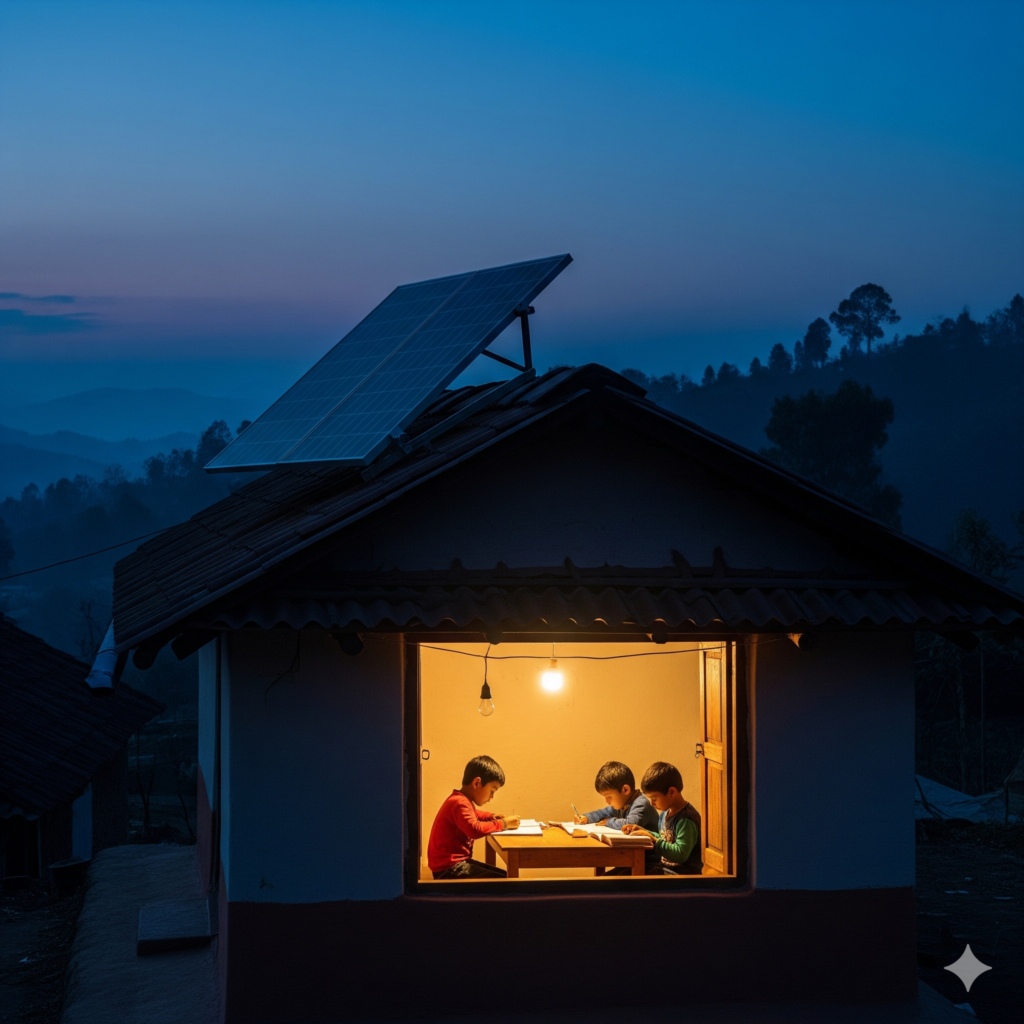
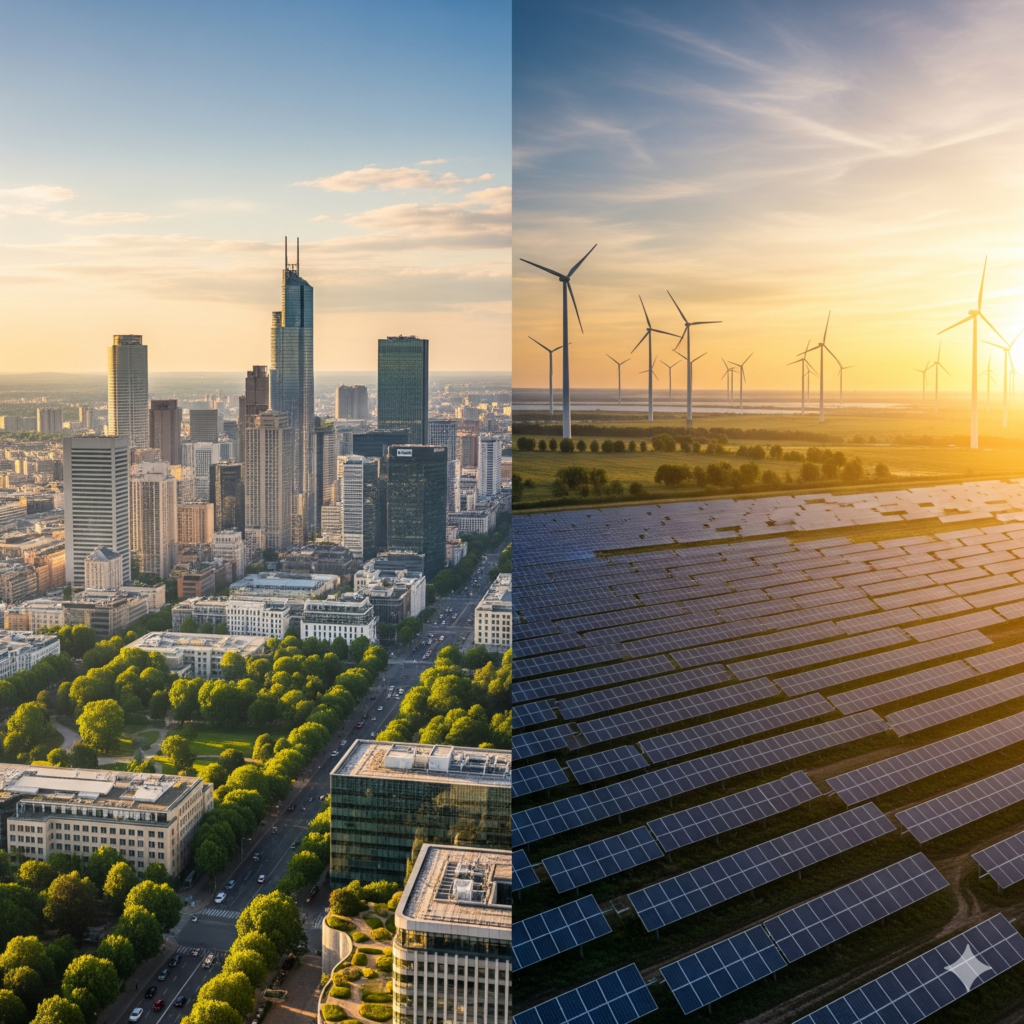
In the renewable energy conversation, “intermittency” is the most cited obstacle1. Solar power generation peaks at midday when demand is often low, and drops to zero at night when lighting loads peak. Wind power is notoriously variable, fluctuating with weather patterns rather than human schedules. For decades, grid operators relied on “peaker plants”—usually natural gas turbines—to ramp up instantly when renewables faltered.
However, to achieve a truly decarbonized grid, we cannot rely on fossil fuel backstops. We need a way to store the sun and wind for later use. This is why Energy Storage is widely considered the “Holy Grail” of the green transition2. Storage transforms renewable energy from a variable, weather-dependent resource into a dispatchable asset that can provide stability, frequency regulation, and load shifting.
In this deep dive, we will explore the chemistry, physics, and engineering behind the storage technologies revolutionizing the grid, from the ubiquitous Lithium-ion cell to emerging long-duration solutions.
The Dominant Force: Lithium-Ion Batteries
Currently, Lithium-ion (Li-ion) batteries are the undisputed kings of electrochemical storage3. Driven by the electric vehicle (EV) boom, costs have plummeted by nearly 90% over the last decade, making them viable for grid-scale applications.
Chemistry and Mechanics
Li-ion batteries work by moving lithium ions between the cathode and anode during charge and discharge cycles. There are two main chemistries dominating the stationary storage market:
- NMC (Nickel Manganese Cobalt): Offers high energy density, meaning more power in a smaller footprint. However, it relies on cobalt (supply chain and ethical issues) and has a lower thermal runaway threshold.
- LFP (Lithium Iron Phosphate): While slightly less energy-dense, LFP is rapidly becoming the standard for stationary storage. It contains no cobalt, is cheaper to manufacture, and is significantly safer and more chemically stable, reducing fire risks.
Grid Applications
Li-ion systems excel at short-duration storage (typically 2 to 4 hours). Their rapid response time (milliseconds) makes them perfect for:
- Frequency Regulation: Injecting or absorbing bursts of power to keep grid frequency at exactly 50Hz or 60Hz.
- Peak Shaving: Discharging during the most expensive peak hours to lower demand charges.
The Challengers: Long-Duration Storage
While Li-ion is excellent for short bursts, the grid needs solutions that can discharge for 8, 12, or even 24 hours to cover long nights or multi-day lulls in wind. This is where alternative technologies shine.
Redox Flow Batteries
Unlike Li-ion, where the energy is stored in the electrode material itself, Flow Batteries store energy in liquid electrolytes contained in external tanks4. The fluid is pumped through a central stack where the ion exchange occurs.
- Scalability: To increase energy capacity, you simply build bigger tanks. To increase power, you add more stacks. This decoupling of power and energy makes them ideal for grid-scale applications >6 hours.
- Lifespan: Vanadium Redox Flow Batteries (VRFB) can theoretically cycle indefinitely without degradation, unlike solid batteries that wear out after a few thousand cycles.
Solid-State Batteries
Often heralded as the next big breakthrough, Solid-State Batteries replace the liquid electrolyte of a Li-ion battery with a solid material (ceramic or glass)5.
- Safety: Removing the flammable liquid electrolyte virtually eliminates fire risk.
- Density: They promise significantly higher energy density, potentially doubling the range of EVs or halving the footprint of grid storage.
- Status: Currently, this technology is in the pilot phase, facing manufacturing hurdles to scale up from lab bench to gigafactory.
Mechanical and Thermal Alternatives
Not all storage is chemical. Engineers are revitalizing physics-based storage methods:
- Flywheels: Spinning massive rotors in a vacuum. They offer incredible power density for very short durations (seconds to minutes), ideal for stabilizing grid voltage quality.
- Compressed Air Energy Storage (CAES): Using excess renewable energy to compress air into underground caverns. When power is needed, the air is released, heated, and expanded through a turbine.
- Gravity Storage: Lifting heavy concrete blocks with cranes or winches using excess power, then lowering them to generate electricity via gravity.
Residential vs. Grid-Scale Architecture
The architecture of storage systems varies wildly based on application6.
- Behind-the-Meter (Residential): Systems like the Tesla Powerwall allow homeowners to store rooftop solar power for evening use or backup during outages. Aggregated together via software, thousands of these homes can form a “Virtual Power Plant” (VPP) to support the main grid.
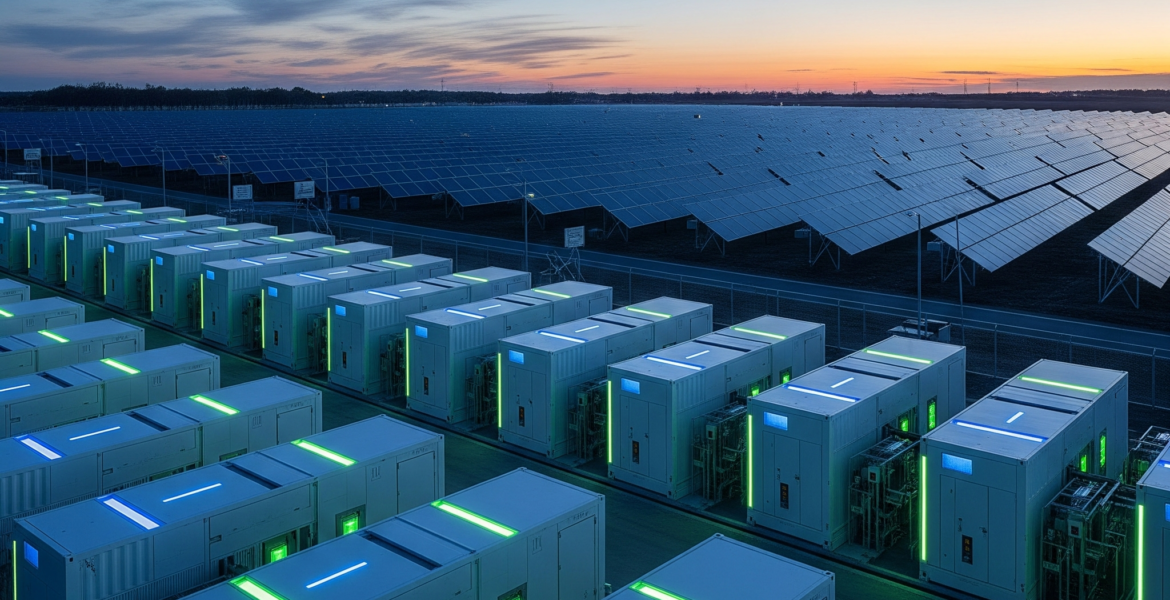
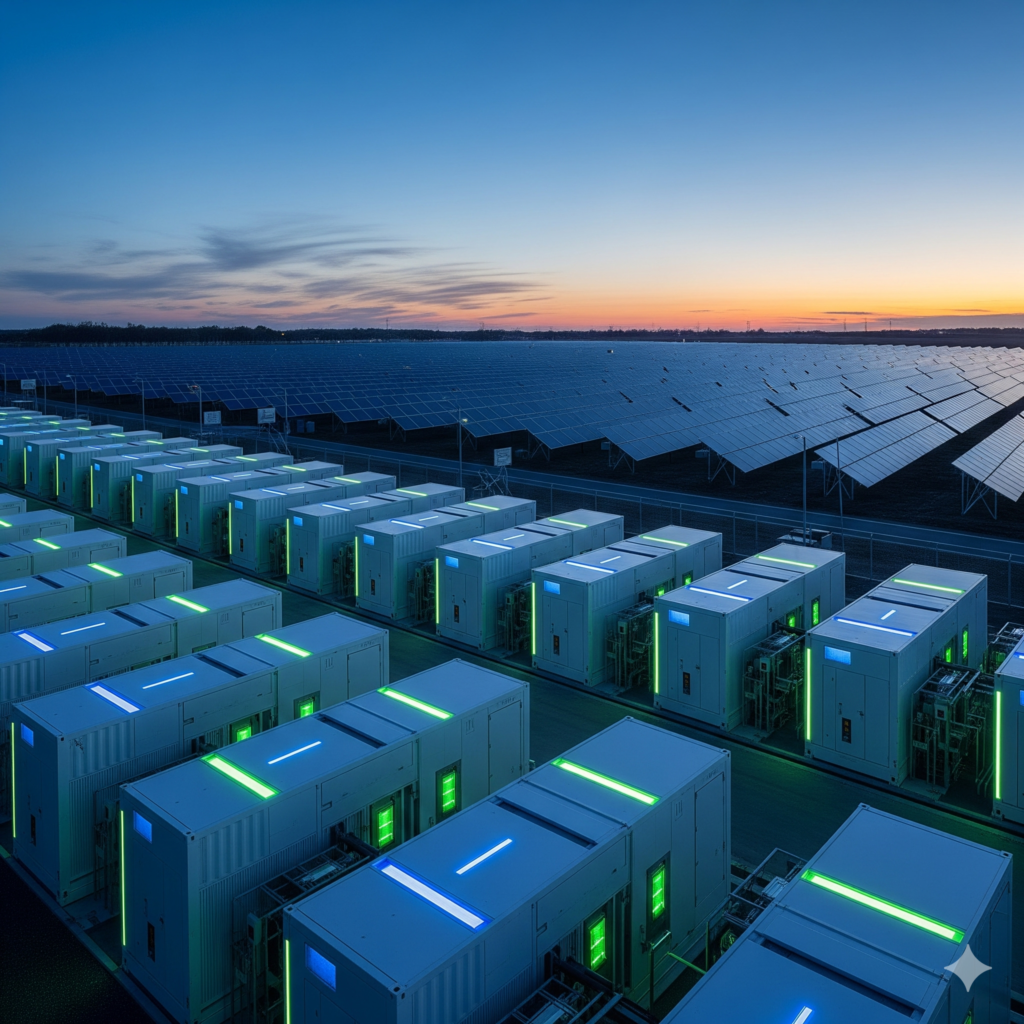
- Front-of-the-Meter (Utility Scale): Massive containerized solutions located at substations or generation sites. These assets are traded on wholesale energy markets, performing “energy arbitrage”—buying low (midday) and selling high (evening).
Sustainability: The Recycling Imperative
As we deploy millions of tons of batteries, we face a looming waste crisis. Recycling and sustainability are critical engineering challenges7.
- Second Life: EV batteries degrade to about 80% capacity after 8–10 years. While no longer suitable for cars, they are perfect for stationary storage, extending their useful life by another decade.
- Material Recovery: Hydrometallurgical processes are being developed to recover up to 95% of the lithium, nickel, and cobalt from spent cells to make new batteries, closing the supply chain loop.
Conclusion
Energy storage is the catalyst that will allow renewable energy to displace baseload fossil fuels. While Lithium-ion currently leads the pack, a diverse ecosystem including flow batteries and mechanical storage will be required to build a resilient, 24/7 green grid.