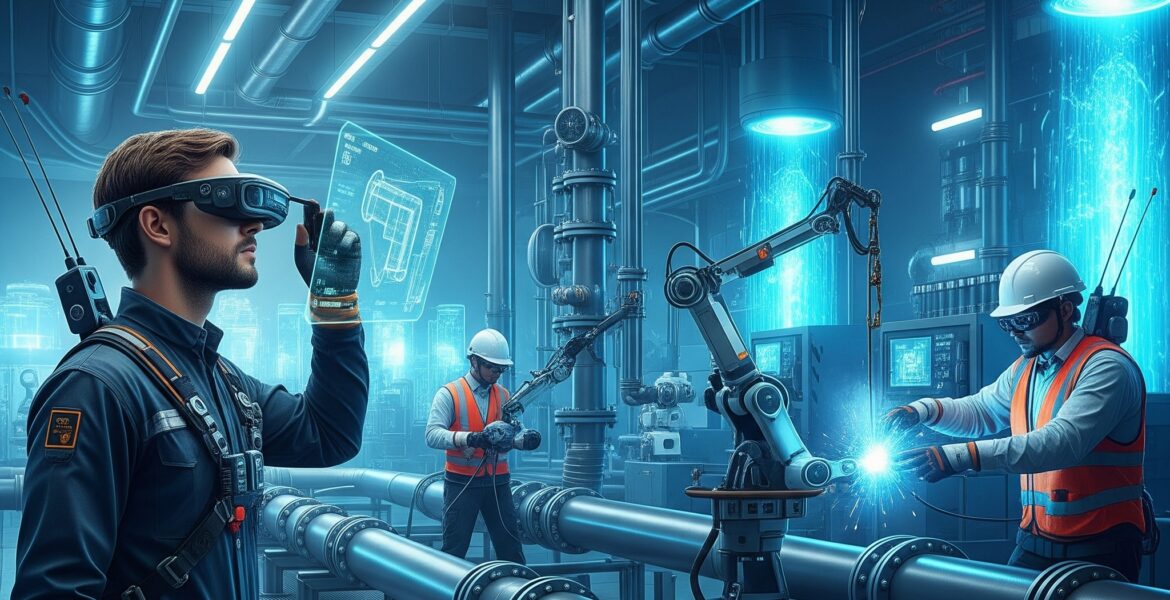
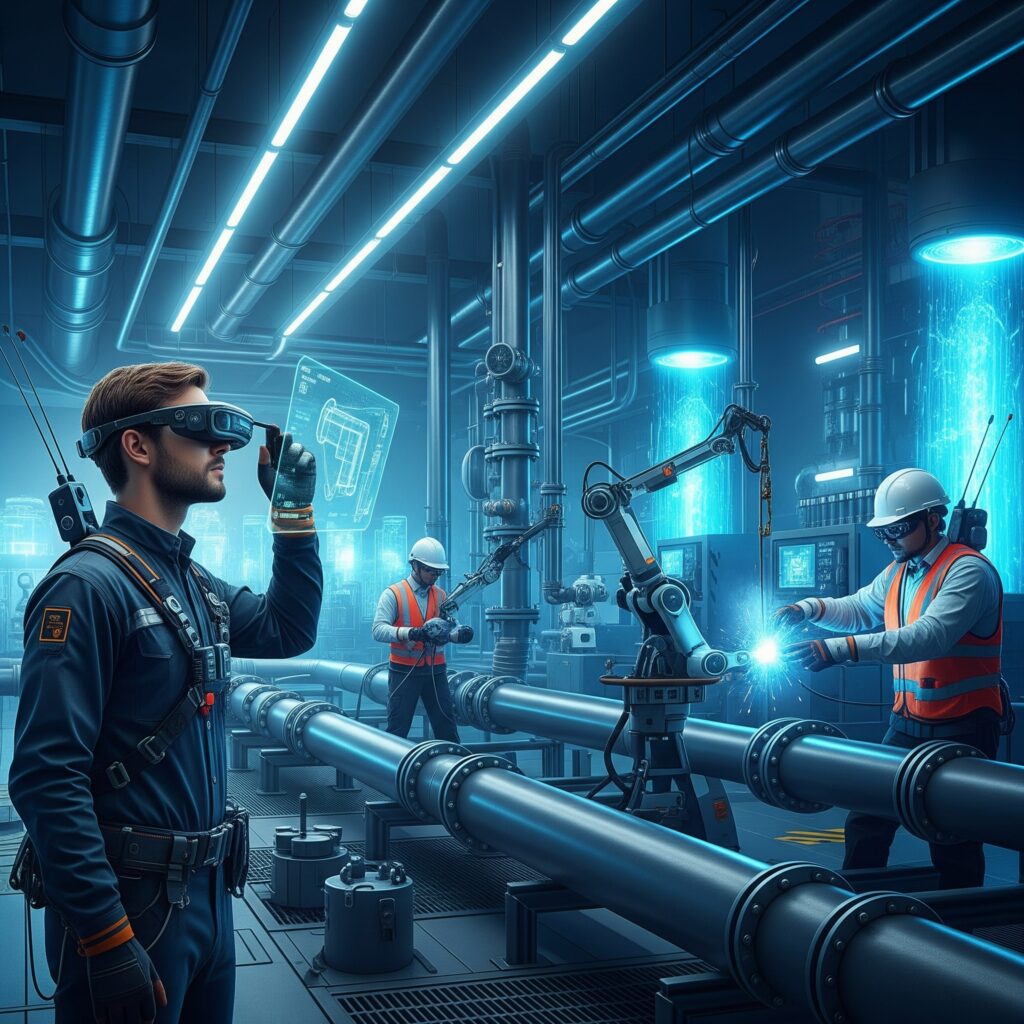
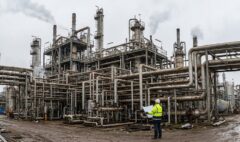
| For decades, piping engineering has served as the foundational discipline responsible for designing the circulatory systems of our industrial world. These complex networks of pipes, valves, and supports are the silent, vital arteries of everything from power plants and refineries to water treatment facilities and pharmaceutical factories. While its core principles of fluid mechanics, material science, and stress analysis remain constant, the field is now on the cusp of a profound transformation, driven by a convergence of digital innovation, material science breakthroughs, and a global imperative for sustainability. The future of piping engineering is being forged today, moving from 2D drawings and manual calculations to an integrated, intelligent, and eco-conscious paradigm. | لعقود من الزمان ، كانت هندسة الأنابيب بمثابة الطرف التأسيسي المسؤول عن تصميم أنظمة الدورة الدموية في عالمنا الصناعي. هذه الشبكات المعقدة من الأنابيب والصمامات والدعامات هي الشرايين الصامتة والحيوية لكل شيء من محطات الطاقة والمصافي إلى مرافق معالجة المياه ومصانع الأدوية. في حين أن مبادئها الأساسية لميكانيكا الموائع وعلوم المواد وتحليل الإجهاد لا تزال ثابتة ، فإن المجال الآن على أعتاب تحول عميق ، مدفوعا بتقارب الابتكار الرقمي ، والاختراقات في علوم المواد ، والضرورة العالمية للاستدامة. يتم تشكيل مستقبل هندسة الأنابيب اليوم ، حيث ينتقل من الرسومات ثنائية الأبعاد والحسابات اليدوية إلى نموذج متكامل وذكي وواعي بالبيئة. |
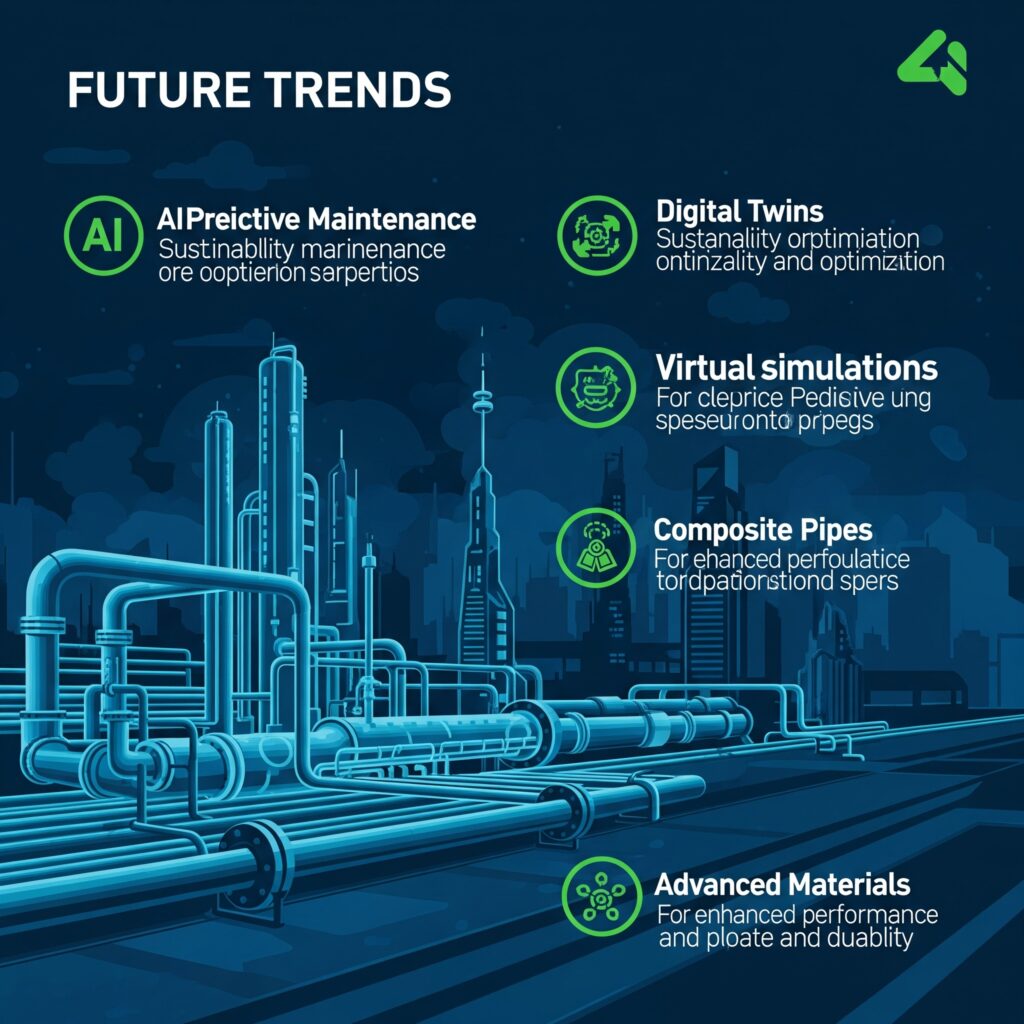
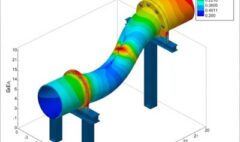
The most significant shift is undoubtedly the comprehensive embrace of digitalization. The era of designing on paper or in simple 2D CAD is rapidly being superseded by sophisticated 3D modeling environments and, most importantly, the rise of the Digital Twin. This is not merely a 3D model; it is a dynamic, living replica of a physical piping system that is continuously updated with real-time data from sensors throughout its lifecycle. For piping engineers, this means design, analysis, and operation are no longer discrete phases but part of a continuous feedback loop. During design, engineers can simulate countless operational scenarios, from pressure surges to seismic events, within the digital twin, optimizing layouts and support systems with unprecedented accuracy. Once constructed, the twin allows for real-time stress monitoring, predictive maintenance alerts based on actual operating conditions, and efficient planning for modifications, fundamentally changing how we ensure the integrity and longevity of these critical assets.
| التحول الأكثر أهمية هو بلا شك التبني الشامل للرقمنة. يتم استبدال عصر التصميم على الورق أو في CAD ثنائي الأبعاد بسيط بسرعة ببيئات النمذجة ثلاثية الأبعاد المتطورة ، والأهم من ذلك ، صعود التوأم الرقمي. هذا ليس مجرد نموذج ثلاثي الأبعاد. إنها نسخة طبق الأصل ديناميكية حية لنظام أنابيب مادي يتم تحديثه باستمرار ببيانات في الوقت الفعلي من أجهزة الاستشعار طوال دورة حياتها. بالنسبة لمهندسي الأنابيب ، هذا يعني أن التصميم والتحليل والتشغيل لم تعد مراحل منفصلة ولكنها جزء من حلقة التغذية الراجعة المستمرة. أثناء التصميم ، يمكن للمهندسين محاكاة سيناريوهات تشغيلية لا حصر لها ، من ارتفاع الضغط إلى الأحداث الزلزالية ، داخل التوأم الرقمي ، وتحسين التخطيطات وأنظمة الدعم بدقة غير مسبوقة. بمجرد إنشائها ، يسمح التوأم بمراقبة الإجهاد في الوقت الفعلي ، وتنبيهات الصيانة التنبؤية بناء على ظروف التشغيل الفعلية ، والتخطيط الفعال للتعديلات ، مما يغير بشكل أساسي كيفية ضمان سلامة وطول عمر هذه الأصول الحيوية. |
| Injecting further intelligence into this digital framework is the growing influence of Artificial Intelligence (AI) and Machine Learning (ML). AI is poised to revolutionize the most time-consuming aspects of the design process. Generative design algorithms, for instance, can now propose hundreds of potential pipe routing options that are optimized for cost, material usage, and hydraulic efficiency—tasks that would take a human engineer weeks to explore. In the realm of stress analysis, ML models can be trained on vast datasets of past projects to predict high-stress areas or suggest optimal support locations early in the design phase. This automation doesn’t replace the engineer; it elevates them, freeing them from repetitive tasks to focus on strategic decision-making, innovation, and solving more complex challenges that require human ingenuity. | ضخ المزيد من الذكاء في هذا الإطار الرقمي هو التأثير المتزايد للذكاء الاصطناعي (الذكاء الاصطناعي) والتعلم الآلي (ML). يستعد الذكاء الاصطناعي لإحداث ثورة في الجوانب الأكثر استهلاكا للوقت في عملية التصميم. يمكن لخوارزميات التصميم التوليدي ، على سبيل المثال ، الآن اقتراح المئات من خيارات توجيه الأنابيب المحتملة المحسنة للتكلفة واستخدام المواد والكفاءة الهيدروليكية – المهام التي قد يستغرق المهندس البشري أسابيع لاستكشافها. في مجال تحليل الإجهاد ، يمكن تدريب نماذج التعلم الآلي على مجموعات بيانات واسعة من المشاريع السابقة للتنبؤ بالمناطق عالية الضغط أو اقتراح مواقع الدعم المثلى في وقت مبكر من مرحلة التصميم. هذه الأتمتة لا تحل محل المهندس. إنه يرفعهم ويحررهم من المهام المتكررة للتركيز على صنع القرار الاستراتيجي والابتكار وحل التحديات الأكثر تعقيدا التي تتطلب براعة بشرية. |
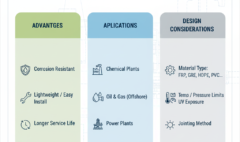
| The very materials that form these systems are also undergoing a revolution. While carbon and stainless steel remain staples, the industry is seeing a surge in the development and application of advanced materials. Composites like Fiberglass Reinforced Plastic (FRP) and High-Density Polyethylene (HDPE) are gaining significant ground, offering superior corrosion resistance and lighter weight, especially in water treatment and chemical processing. For high-temperature and high-pressure applications, new high-performance metal alloys are being engineered to provide greater strength and creep resistance, extending the operational boundaries of power and petrochemical plants. Furthermore, advancements in manufacturing, particularly additive manufacturing (3D printing), are enabling the rapid prototyping and on-demand creation of complex, customized fittings that were previously impossible or prohibitively expensive to produce. | شهد المواد التي تشكل هذه الأنظمة أيضا ثورة. في حين أن الكربون والفولاذ المقاوم للصدأ لا يزالان من العناصر الأساسية ، تشهد الصناعة طفرة في تطوير وتطبيق المواد المتقدمة. تكتسب المواد المركبة مثل البلاستيك المقوى بالألياف الزجاجية (FRP) والبولي إيثيلين عالي الكثافة (HDPE) أرضية كبيرة ، مما يوفر مقاومة فائقة للتآكل ووزن أخف ، خاصة في معالجة المياه والمعالجة الكيميائية. بالنسبة لتطبيقات درجات الحرارة العالية والضغط العالي، يتم تصميم سبائك معدنية جديدة عالية الأداء لتوفير قوة أكبر ومقاومة للزحف، مما يوسع الحدود التشغيلية لمصانع الطاقة والبتروكيماويات. علاوة على ذلك ، فإن التطورات في التصنيع ، وخاصة التصنيع الإضافي (الطباعة ثلاثية الأبعاد) ، تمكن من النماذج الأولية السريعة وإنشاء تركيبات معقدة ومخصصة عند الطلب كانت مستحيلة في السابق أو باهظة الثمن لإنتاجها. |
| This trend towards efficiency and quality control is perfectly complemented by the widespread adoption of modular construction and off-site fabrication. Instead of stick-building entire piping systems in the often unpredictable and hazardous conditions of a construction site, large, complex sections—or modules—are being fully assembled and tested in controlled factory environments. These modules, complete with pipes, supports, insulation, and even instrumentation, are then transported to the site for faster, safer, and higher-quality installation. This approach drastically reduces on-site construction time, minimizes waste, improves safety outcomes, and allows for better quality control, representing a fundamental shift in project execution philosophy. | يكتمل هذا الاتجاه نحو الكفاءة ومراقبة الجودة تماما من خلال الاعتماد الواسع النطاق للبناء المعياري والتصنيع خارج الموقع. بدلا من بناء أنظمة الأنابيب بأكملها في الظروف غير المتوقعة والخطيرة في كثير من الأحيان لموقع البناء ، يتم تجميع الأقسام الكبيرة والمعقدة – أو الوحدات – واختبارها بالكامل في بيئات المصانع الخاضعة للرقابة. يتم بعد ذلك نقل هذه الوحدات ، المكتملة بالأنابيب والدعامات والعزل وحتى الأجهزة ، إلى الموقع لتركيب أسرع وأكثر أمانا وأعلى جودة. يقلل هذا النهج بشكل كبير من وقت البناء في الموقع ، ويقلل من النفايات ، ويحسن نتائج السلامة ، ويسمح بمراقبة الجودة بشكل أفضل ، مما يمثل تحولا أساسيا في فلسفة تنفيذ المشروع. |
| Underpinning all these technological advancements is a powerful, unifying driver: sustainability. The piping engineering of the future is inherently green. This manifests in multiple ways: designs are optimized to minimize pressure drops, thus reducing pump energy consumption over the plant’s lifetime. Material selection now involves a lifecycle assessment, considering the carbon footprint of production and the recyclability of materials at the end of their service life. Leak detection and repair (LDAR) programs, enhanced by IoT sensors and digital twins, are becoming more sophisticated to prevent the emission of fugitive greenhouse gases and loss of valuable product. As industries worldwide pivot to new energy sources, piping engineers are at the forefront, designing the arteries for a new era—pipelines for hydrogen, systems for carbon capture and storage (CCS), and intricate networks for biofuels and other renewable energy carriers. | ويدعم كل هذه التطورات التكنولوجية محركا قويا وموحدا: الاستدامة. هندسة الأنابيب في المستقبل خضراء بطبيعتها. يتجلى هذا بطرق متعددة: تم تحسين التصميمات لتقليل انخفاض الضغط ، وبالتالي تقليل استهلاك طاقة المضخة على مدى عمر المحطة. يتضمن اختيار المواد الآن تقييما لدورة الحياة ، مع مراعاة البصمة الكربونية للإنتاج وقابلية إعادة تدوير المواد في نهاية عمرها التشغيلي. أصبحت برامج الكشف عن التسرب وإصلاحه (LDAR) ، المعززة بأجهزة استشعار إنترنت الأشياء والتوائم الرقمية ، أكثر تعقيدا لمنع انبعاث غازات الاحتباس الحراري الهاربة وفقدان المنتجات القيمة. نظرا لأن الصناعات في جميع أنحاء العالم تتمحور حول مصادر الطاقة الجديدة ، فإن مهندسي الأنابيب هم في الطليعة ، حيث يصممون الشرايين لعصر جديد – خطوط أنابيب الهيدروجين ، وأنظمة احتجاز الكربون وتخزينه (CCS) ، والشبكات المعقدة للوقود الحيوي وناقلات الطاقة المتجددة الأخرى. |