Introduction to Renewable Energy
Renewable Energy



Introduction
The global energy landscape is undergoing its most significant transformation since the Industrial Revolution. Renewable energy has shifted from being a supplementary power source to the cornerstone of modern economic and environmental strategy2. This series will guide you through the technologies, economics, and engineering principles driving this shift.
We are moving away from finite fossil fuels toward a diverse mix of regenerative resources. This transition is not just about environmental stewardship; it is about energy security, economic stability, and technological innovation3. In this inaugural post, we frame the series by exploring why renewable energy matters today, the global goals we are striving for, and the technologies that will get us there4.
The Purpose: Why the Transition Matters Now
Why is the world racing to decarbonize? The urgency stems from three critical drivers:
- Climate Mitigation: Reducing carbon emissions to limit global warming to 1.5°C in alignment with international agreements5.
- Energy Security: Diversifying energy sources to reduce dependence on volatile fuel markets and geopolitical instability.
- Economic Viability: The Levelized Cost of Energy (LCOE) for renewables has dropped dramatically, often making solar and wind cheaper than coal or gas in many regions.
Key Inputs: The Technologies Powering Change
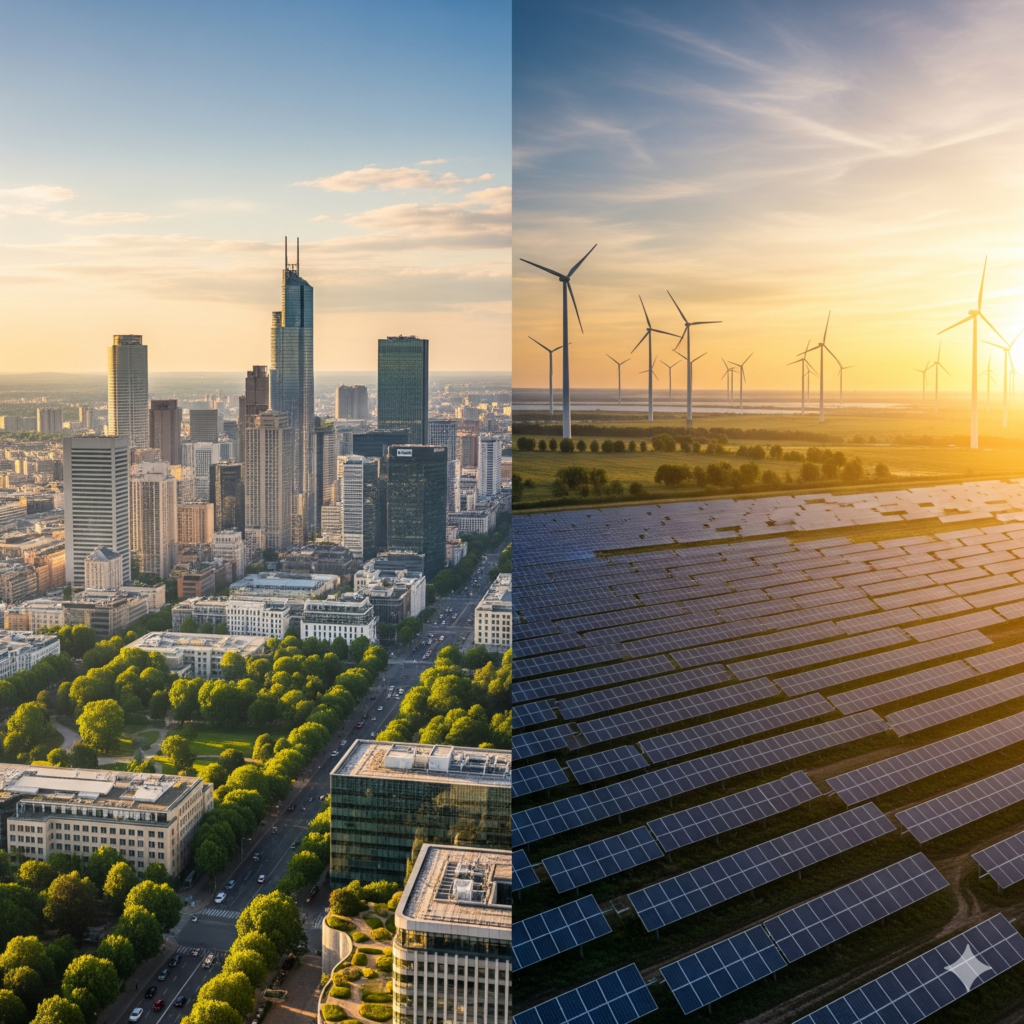
Renewable energy is not a monolith; it is a portfolio of technologies. Throughout this series, we will dive deep into each, but here is the high-level overview of the major players6:
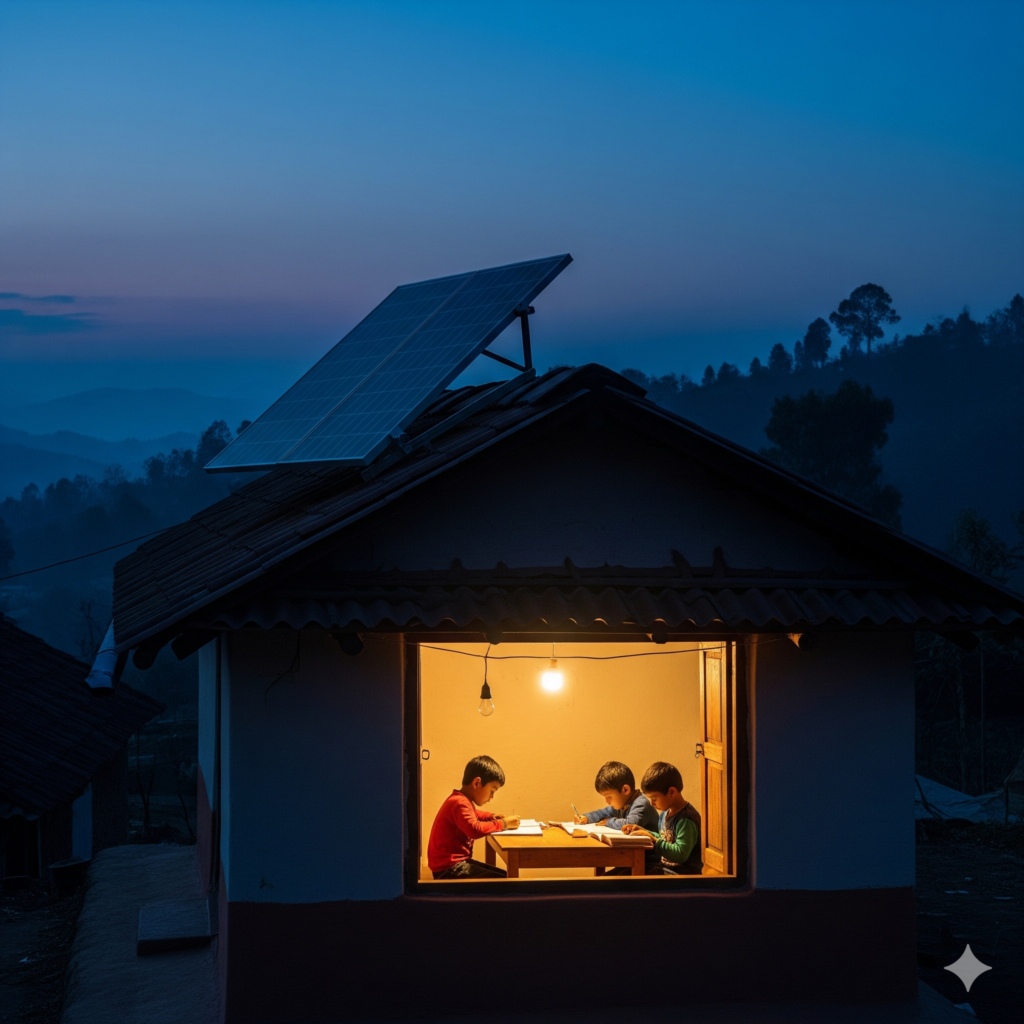
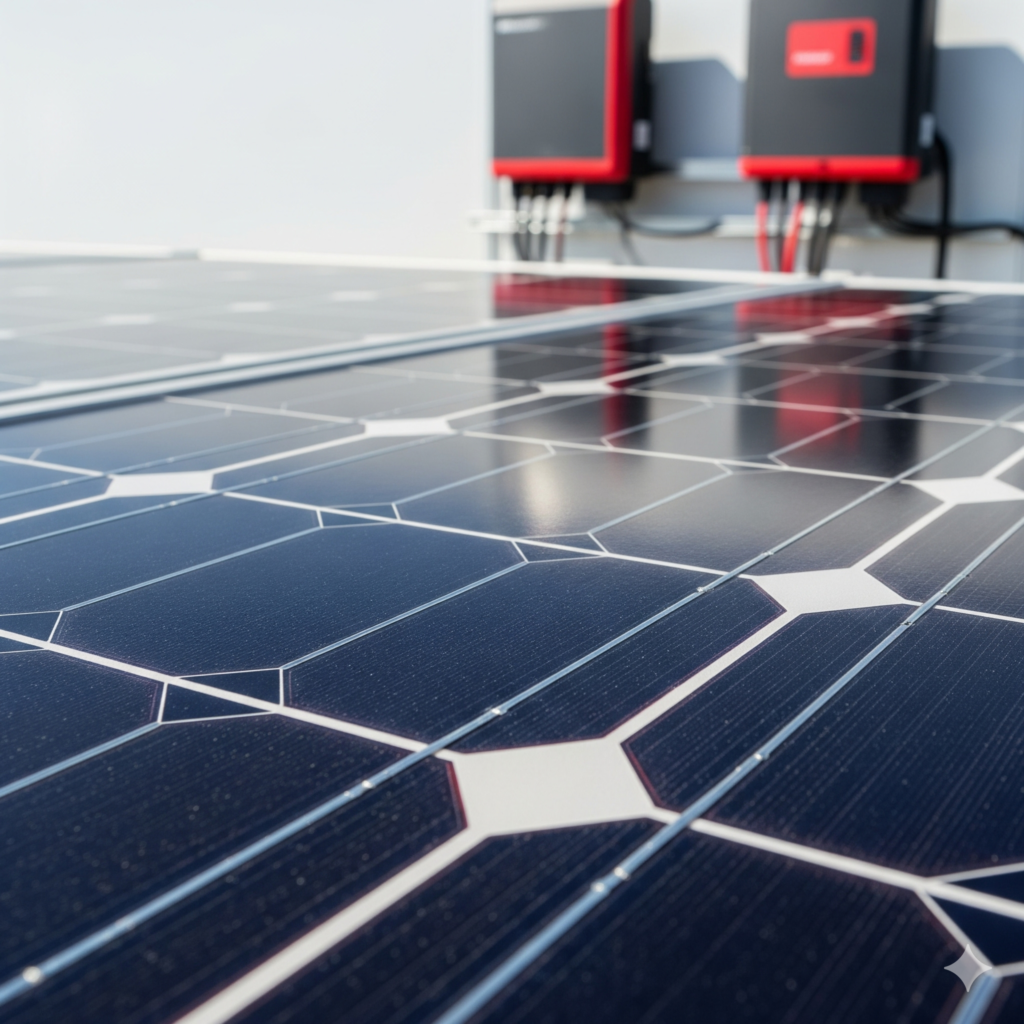
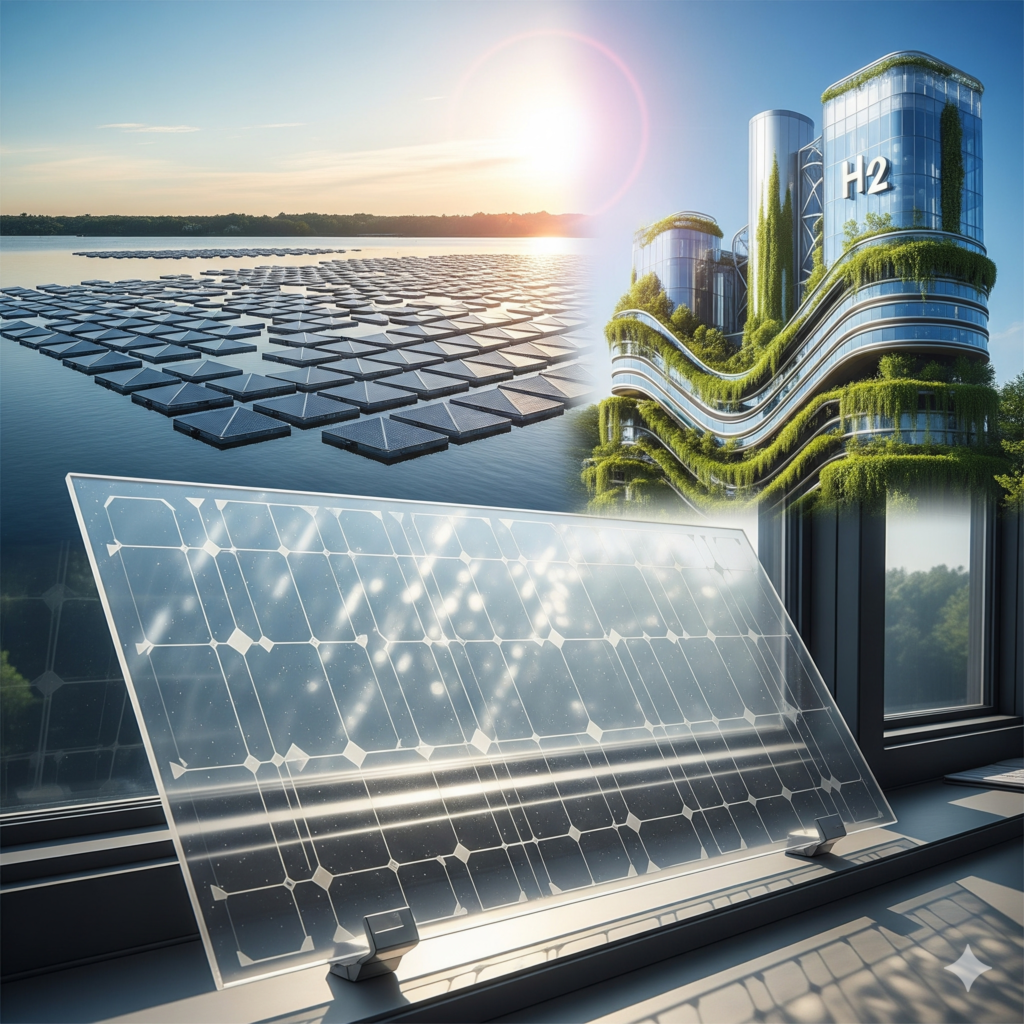
- Solar PV (Photovoltaics): Harnessing the sun’s irradiance directly for electricity. It is scalable from residential rooftops to massive utility-grade farms.
- Wind Energy: capturing kinetic energy from air currents. This includes both onshore farms and high-capacity offshore installations.
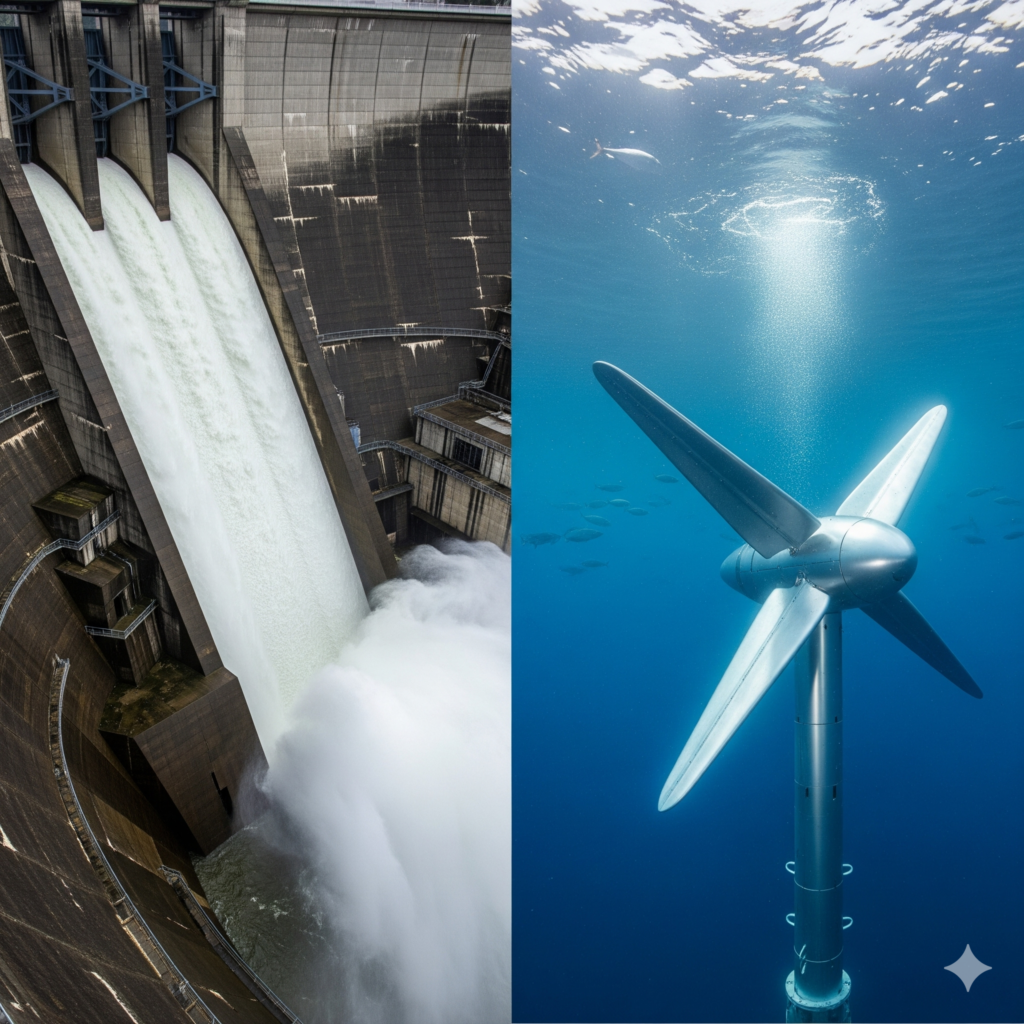
- Hydropower: Using the flow of water to generate stable baseload power.
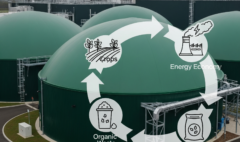
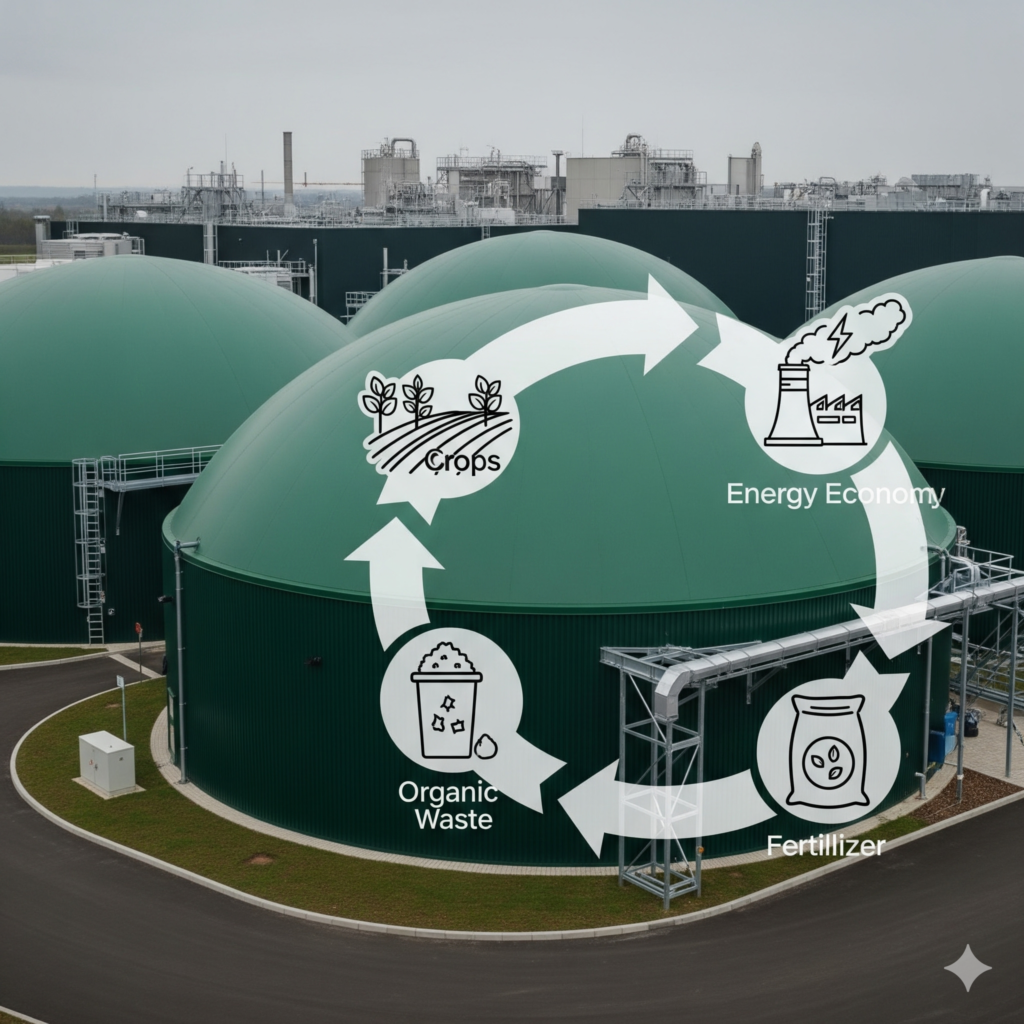
- Biomass & Bioenergy: Converting organic matter into fuel, bridging the gap for industries difficult to electrify.
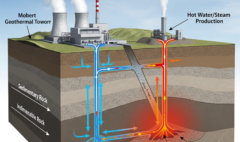
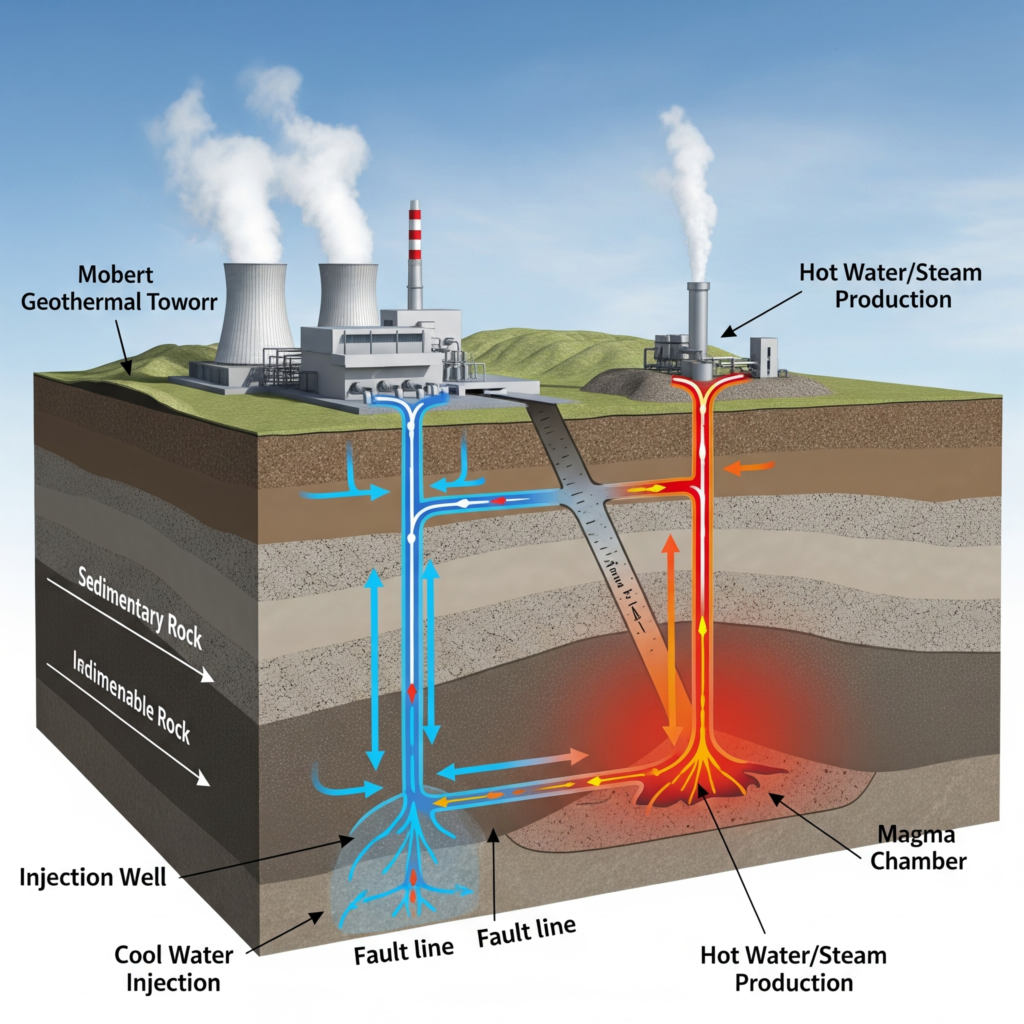
- Geothermal: Tapping into the Earth’s subterranean heat for constant, reliable power.
Process Steps: Implementing a Renewable Strategy
Whether for a nation or a corporation, adopting renewable energy follows a structured path. A successful implementation strategy usually involves:
- Assessment: Analyzing energy needs and local resource availability (e.g., solar irradiance vs. wind speed).
- Technology Selection: Choosing the right mix of Solar, Wind, or Hybrid systems based on the assessment7.
- Integration: Solving the puzzle of connecting variable generation sources to the grid.
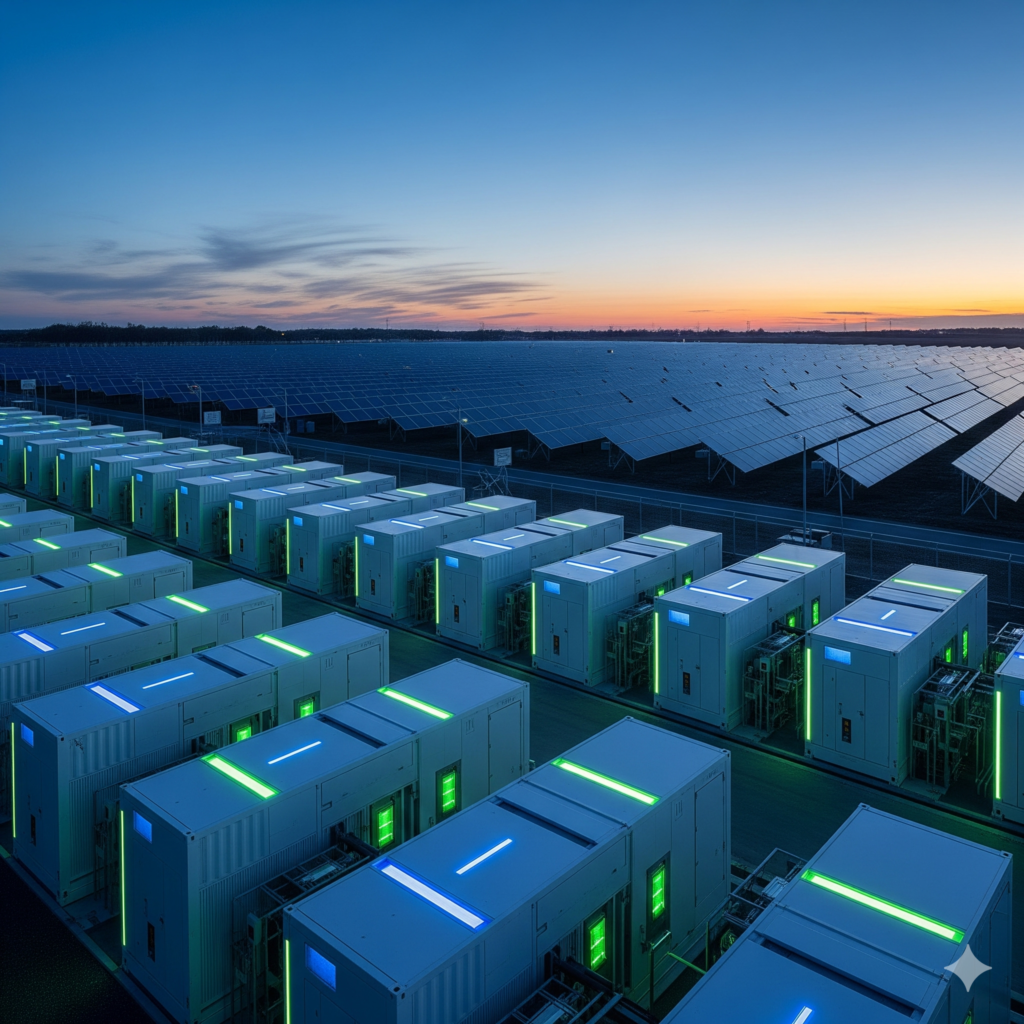
- Storage: Implementing battery or thermal storage to ensure power availability when the sun sets or the wind stops.
Tools and Metrics
To manage this transition, engineers and planners rely on specific tools:
- LCOE Calculators: To compare the lifetime costs of different energy sources.
- Carbon Footprint Auditors: To measure current emissions and track reduction progress.
- Resource Maps: Satellite data used to pinpoint optimal locations for solar arrays and wind turbines.
Deliverables and Outcomes
By embracing this transition, stakeholders aim to achieve:
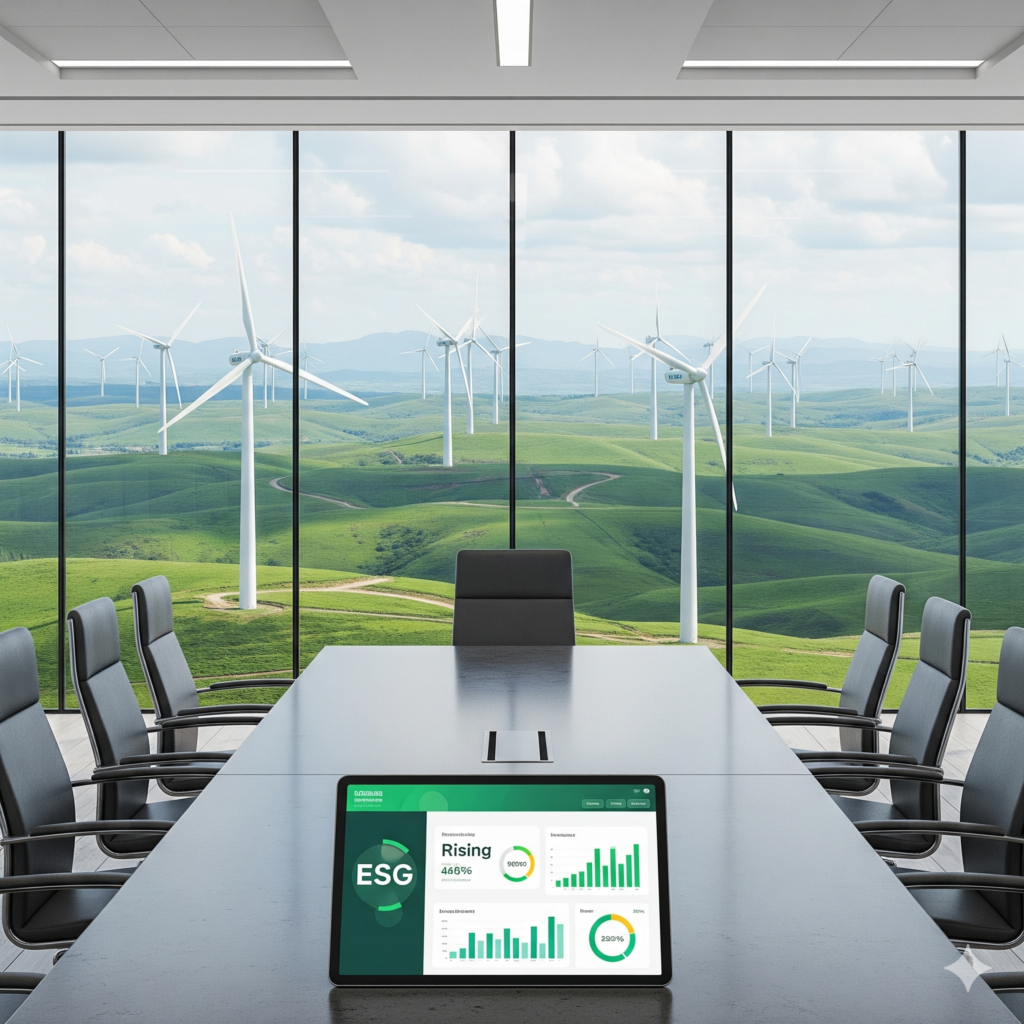
- Net-Zero Targets: Reaching a balance between emitted and removed greenhouse gases.
- Grid Resilience: A decentralized power network that is less susceptible to single-point failures.
- Sustainable Growth: decoupling economic development from resource depletion.
Common Pitfalls in the Transition
The road to a green future is not without hurdles. Common misconceptions and errors include:
- Ignoring Intermittency: Failing to plan for storage or baseload backup when relying heavily on solar and wind.
- “Greenwashing”: Adopting superficial measures without making structural changes to energy procurement.
- Neglecting Infrastructure: Building generation capacity without upgrading the transmission grid to handle it.
Example: The Global Shift
Consider the aggressive targets set by global leaders. The European Union, for instance, has mandated that a significant portion of its energy come from renewable sources by 2030. Similarly, corporations like Google and Apple have committed to running their operations on 100% carbon-free energy. These are not just PR moves; they are strategic decisions driven by the plummeting costs of solar and wind technologies.
Transition to the Next Phase
Understanding the broad landscape is step one. Now, we must examine the specific engines of this change. In our next post, Solar Energy Fundamentals, we will zoom in on the technology that has become the face of the renewable revolution: Solar Photovoltaics. We will analyze how it works, efficiency factors, and the emerging tech that will define the next decade.