Smart Grids & Digital Energy
Renewable Energy



Introduction: From Monologue to Dialogue
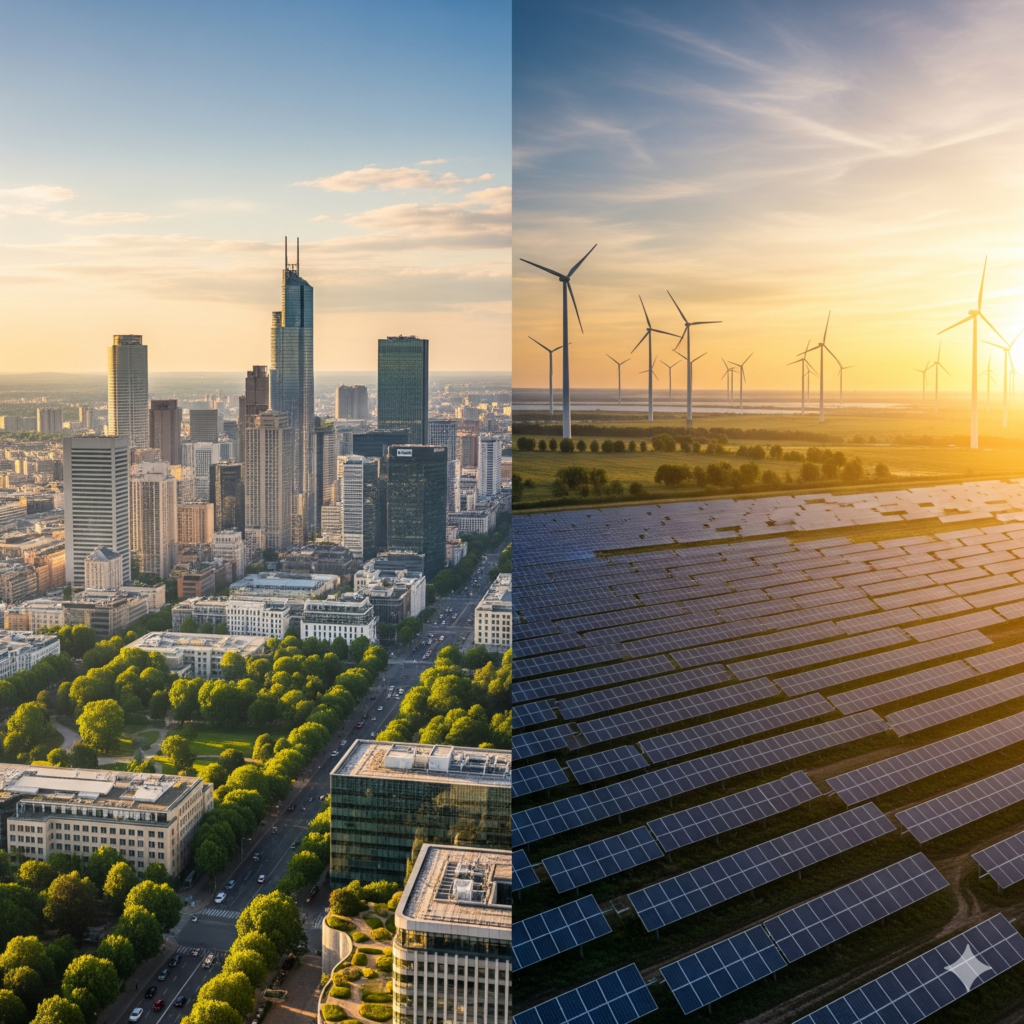
For over a century, the electrical grid operated on a simple, linear premise: massive power plants generated electricity, and it flowed one way through transmission lines to passive consumers. The grid was “dumb”—it had no real-time visibility into what was happening at the socket level.
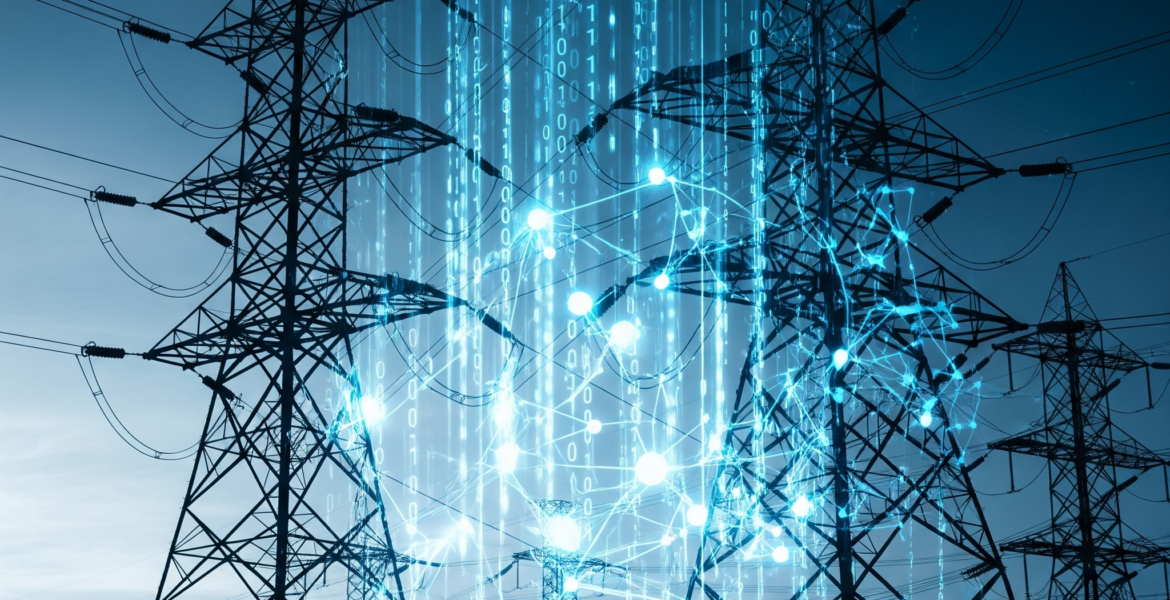
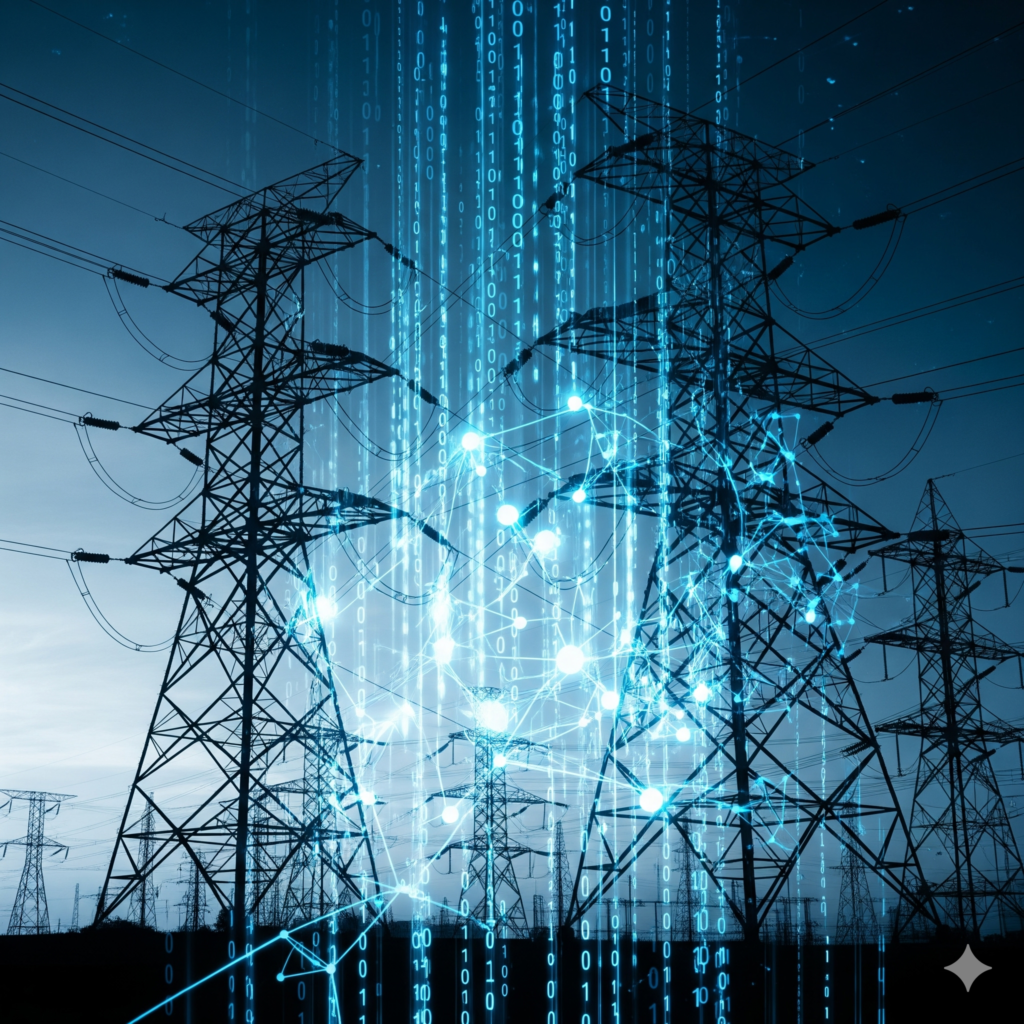
Today, as we integrate millions of solar panels, EVs, and batteries, that model is breaking. We are transitioning to the Smart Grid: a digitized, bi-directional network where electricity and data flow in both directions8. In a Smart Grid, a home isn’t just a load; it’s a node that can generate, store, and sell power. This post explores the digital nervous system managing this complexity, covering IoT, AI, and the rise of the Microgrid.
The Digital Layer: IoT and AI in Energy Management
The foundation of the Smart Grid is data. We are currently blanketing the grid with sensors and intelligent devices, creating the Internet of Things (IoT) for energy9.
AMI (Advanced Metering Infrastructure)
The humble utility meter has evolved into a Smart Meter. Unlike old analog dials, Smart Meters communicate usage data in real-time (every 15 minutes or less). This allows utilities to see outages instantly without waiting for customer calls and enables “Time-of-Use” pricing to discourage consumption during peaks.
AI and Machine Learning
With billions of data points flowing from sensors, humans can no longer manage the grid manually. Artificial Intelligence (AI) is now critical for:
- Predictive Maintenance: Algorithms analyze vibration and heat data from transformers to predict failures weeks before they happen, preventing blackouts.
- Generation Forecasting: AI models combine weather satellite data with historical trends to predict exactly how much solar and wind power will be generated tomorrow, allowing operators to balance the grid precisely.
Blockchain
Blockchain technology is emerging as a tool for peer-to-peer (P2P) energy trading10. Imagine your neighbor buying your excess solar power directly from you via a smart contract, bypassing the utility company entirely. Blockchain creates the transparent, immutable ledger required to make these micro-transactions secure.
Demand Response: Shifting the Load
In the old grid, supply always chased demand. If everyone turned on their AC, the utility had to burn more coal. In the Smart Grid, we can modify demand to match supply. This is called Demand Response11.
Through automated signals, a utility can communicate with smart thermostats, EV chargers, and water heaters. During a heatwave, instead of starting a dirty peaker plant, the grid can signal thousands of water heaters to pause for 15 minutes. The homeowner notices nothing, but the grid sheds megawatts of load instantly. This flexibility is essentially “virtual generation.”
The Rise of Microgrids
As the centralized grid faces threats from extreme weather and cyberattacks, resilience is becoming a priority. Microgrids are localized grids that can disconnect (“island”) from the main grid and operate autonomously12.
- Community Energy: A university campus or a hospital installs its own solar, storage, and gas generation. Under normal conditions, they buy/sell from the main grid.
- Islanding Mode: When a storm knocks out the main transmission lines, the Microgrid switches opens its breakers and continues powering its local critical loads using its own resources. This decentralization is the ultimate insurance policy against cascading failures.
Cybersecurity: The New Front Line
With increased digitalization comes increased vulnerability. A “dumb” grid couldn’t be hacked; a Smart Grid can13.
Cybersecurity is now a core engineering discipline within power systems. A breach could allow attackers to shut down substations, manipulate voltage regulators to damage equipment, or hold utility data for ransom.
- Defense in Depth: Engineering strategies now involve physical isolation (air-gapping) of critical control networks, rigorous encryption of meter data, and continuous “Red Team” penetration testing to find vulnerabilities before bad actors do.
Conclusion
The Smart Grid is not just an upgrade; it is a paradigm shift. It transforms energy consumers into active participants—“Prosumers.” By marrying heavy electrical engineering with cutting-edge IT, AI, and cybersecurity, we are building a grid that is efficient enough to handle renewables and resilient enough to withstand the challenges of the 21st century.